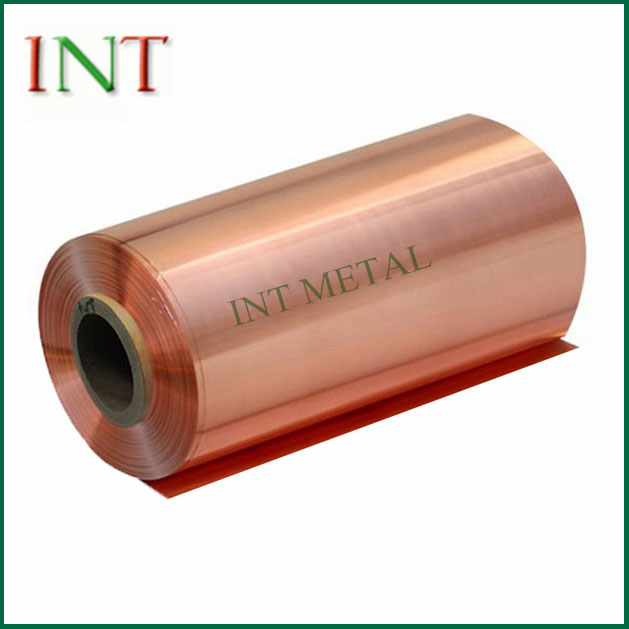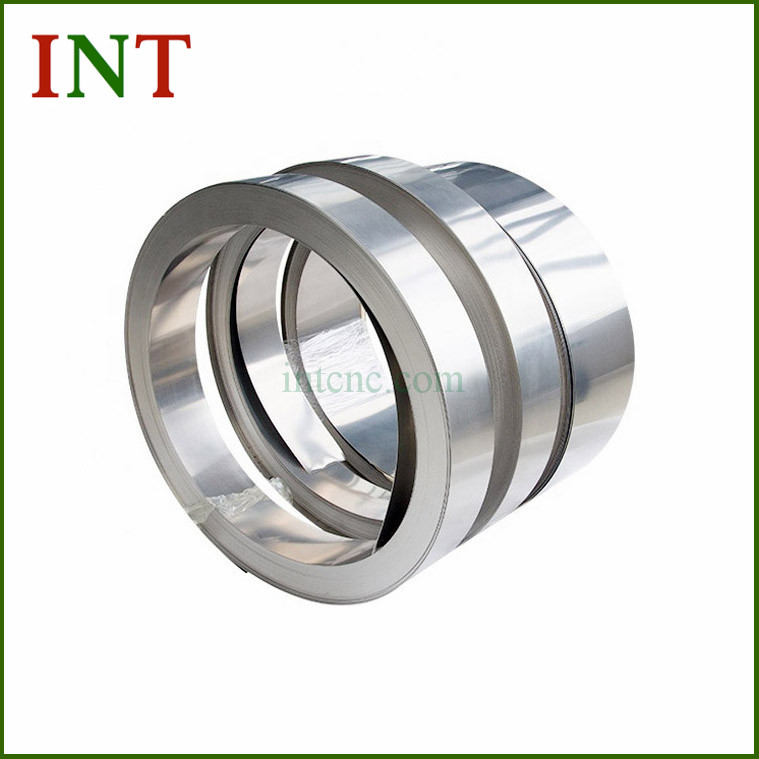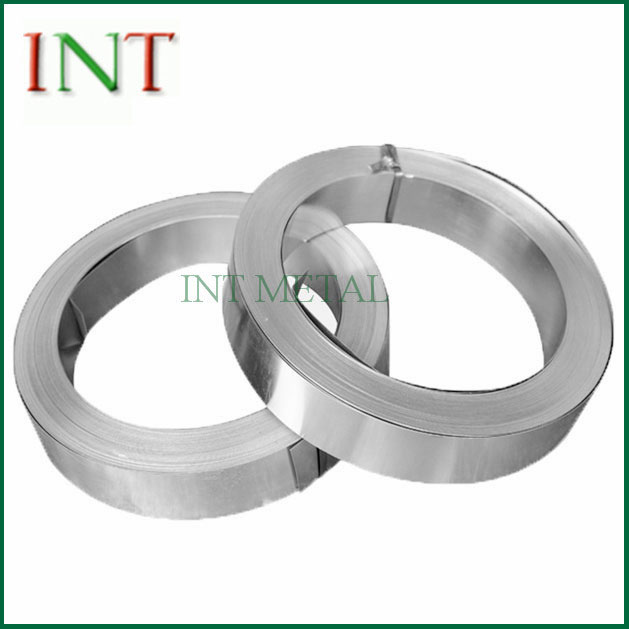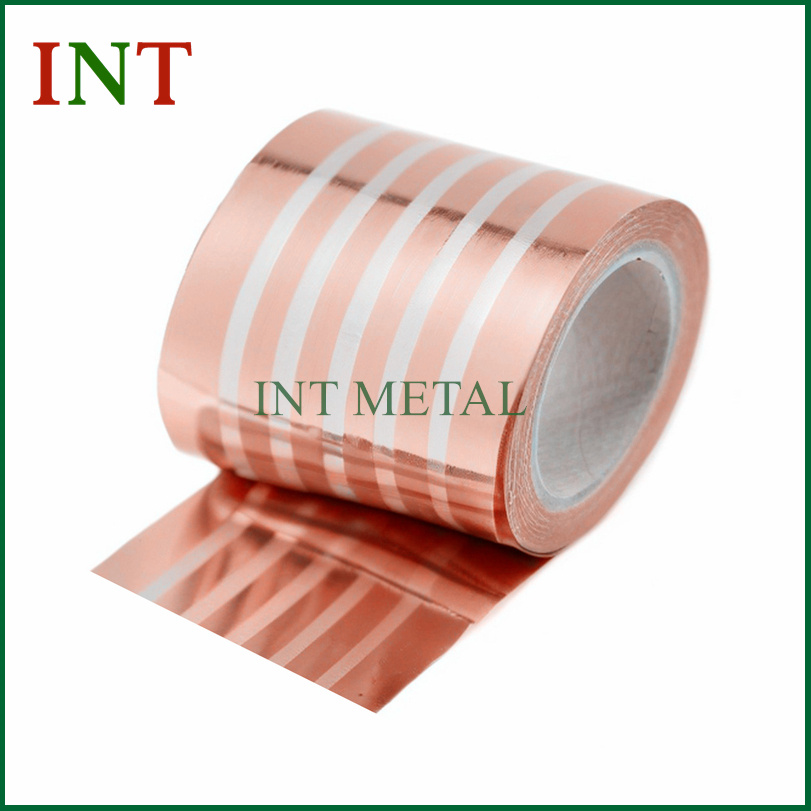

In switching devices, relays, breakers, connectors, and control assemblies, Electrical Contacts carry a burden that is easy to underestimate. They must open and close repeatedly, carry current with minimal resistance, withstand heat, resist arc damage, and keep performance stable over time. When they fail, the results are expensive: overheating, welding, signal loss, nuisance shutdowns, shortened product life, and service complaints that are hard to trace. This article explains the real reasons contact systems break down, what buyers and engineers should look for before placing an order, and how the right material and manufacturing approach can reduce risk in demanding applications. It also shows how DONGGUAN INT METAL TECH CO.,LTD. supports customers looking for consistent, application-focused contact solutions.
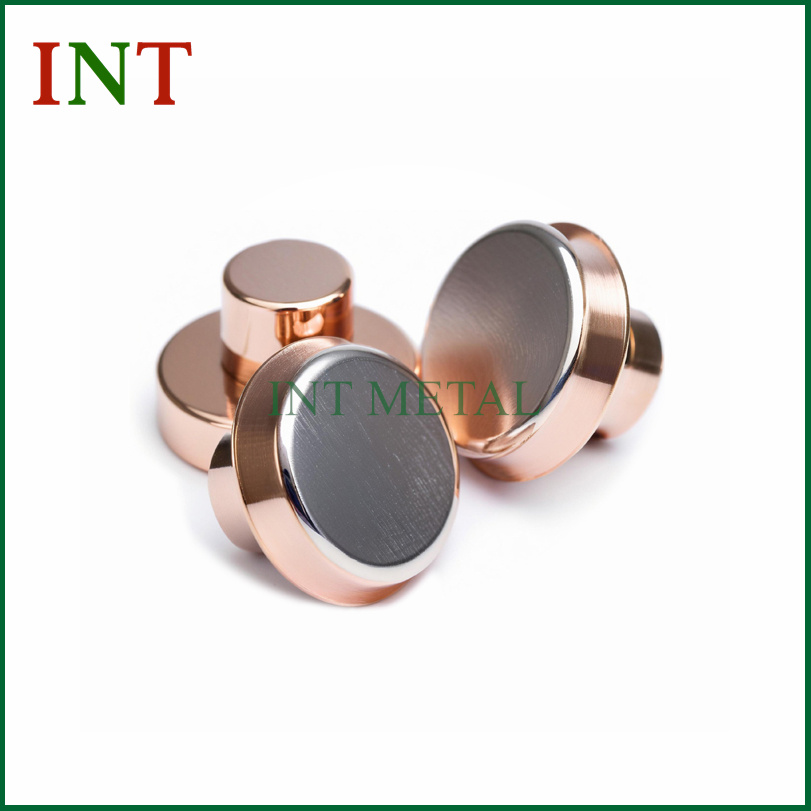
Every switching action depends on a controlled meeting and separation of conductive surfaces. That sounds simple, but it is one of the most punishing events inside electrical equipment. The surface has to survive impact, pressure, heat, oxidation, micro-arcing, and repeated mechanical movement. A weak design can pass initial inspection and still fail in the field after enough cycles, current spikes, or environmental exposure.
Buyers often focus on the visible assembly while the true long-term performance is decided by a very small area: the actual contact interface. If that interface is poorly matched to the load, the device may develop higher resistance, stronger temperature rise, unstable switching, and premature wear. In other words, the quality of Electrical Contacts often determines whether a product feels dependable or troublesome to the end user.
This is exactly why contact design should never be treated as a commodity decision. The right solution depends on current level, switching frequency, operating atmosphere, required life cycle, cost target, and assembly method.
Many application problems that appear to be “system failures” are actually contact problems in disguise. Customers usually come to a supplier when one of the following symptoms keeps repeating:
These pain points matter to OEM buyers, maintenance teams, and design engineers alike. No one wants to discover too late that a low-cost contact choice has created a higher total cost through returns, downtime, and repair work.
Failure rarely comes from one single cause. In most projects, it is the result of a mismatch between material behavior and operating conditions. The most common reasons are below.
This is why experienced buyers do not ask only for price. They ask how the contact will behave after thousands or hundreds of thousands of operations, and whether the supplier understands the application behind the drawing.
A strong purchasing decision starts with a clear application review. Before approving a contact solution, it helps to confirm the following points:
When these questions are answered early, the supplier can recommend a more suitable path instead of offering a one-size-fits-all contact. Good Electrical Contacts are not simply conductive. They must be stable, repeatable, and manufacturable in the exact form your product needs.
For many customers, the best result comes from a tailored solution rather than a generic part number. That may include the right alloy combination, a bimetal structure, a specific contact shape, or tighter process control for repeat assembly quality.
| Buyer Concern | What to Check | Risk If Ignored |
|---|---|---|
| Low resistance | Material conductivity, surface quality, contact pressure | Temperature rise, energy loss, unstable performance |
| Long switching life | Arc resistance, wear behavior, cycle testing | Early pitting, frequent replacement, field complaints |
| Anti-welding performance | Material suitability for inrush and high-load switching | Contacts sticking closed, safety concerns, downtime |
| Stable assembly | Tolerance control, bonding quality, joining compatibility | Production scrap, uneven quality, rework cost |
| Balanced cost | Lifecycle value, not just unit price | Cheap initial purchase but higher total ownership cost |
This table reflects a simple truth: the most affordable quote is not always the most economical decision. Reliable Electrical Contacts often save money by protecting the performance of the full device.
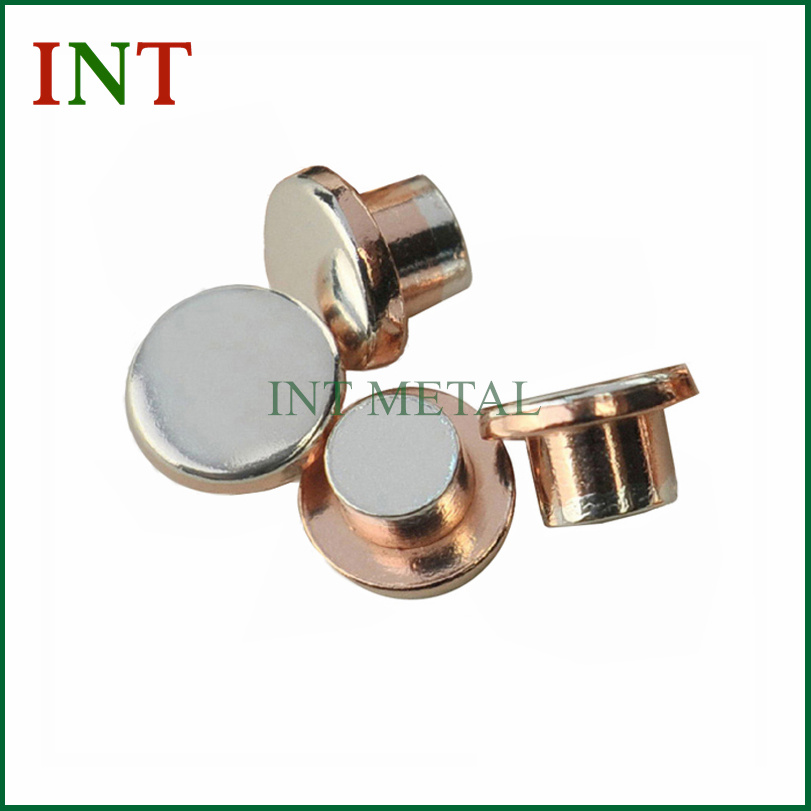
Customers sometimes assume that once the material is selected, the hard part is over. In reality, processing quality is just as critical. Poor forming, weak bonding, inaccurate dimensions, rough surfaces, or unstable batch control can undermine the advantages of a good contact material.
High-performing Electrical Contacts depend on careful manufacturing discipline. That includes consistent raw material control, precision shaping, proper joining methods, inspection standards, and the ability to maintain repeatability from sample stage to mass production.
This is where a capable supplier adds real value. Instead of merely shipping parts, the supplier should be able to understand end-use conditions, review drawings, discuss performance priorities, and adjust the manufacturing route to fit the project. For buyers handling relays, switches, breakers, control units, and similar products, this support often makes the difference between a smooth launch and a costly redesign.
Buyers do not just need a catalog. They need answers. A dependable partner should be able to help with:
DONGGUAN INT METAL TECH CO.,LTD. serves customers who need more than a standard sales reply. For projects involving Electrical Contacts, practical communication matters: what the part is used for, what problem needs to be fixed, and what performance target needs to be achieved. That kind of discussion leads to more useful recommendations and fewer surprises later in production.
If your current contact solution is creating heat, wear, instability, or quality complaints, the issue may not be the full system. It may be the contact interface asking for a smarter material and manufacturing choice.
What are Electrical Contacts used for?
Electrical Contacts are used to make, carry, or break electrical current inside products such as relays, switches, breakers, and control devices. Their job is simple in theory but demanding in practice because they must stay stable through repeated switching and thermal stress.
Why do Electrical Contacts overheat?
Overheating often comes from increased contact resistance, poor pressure distribution, unsuitable material selection, surface oxidation, or assembly inconsistency. The heat problem is usually a symptom of the contact interface losing efficiency.
Can lower-priced contacts still be a bad buying decision?
Yes. A lower unit price can become expensive if the parts shorten product life, increase maintenance, or trigger field failures. Buyers should compare lifecycle value, not only purchase price.
Should I choose a standard part or a custom contact solution?
That depends on the application. Standard parts may work well for common requirements, but custom solutions are often better when load conditions, dimensions, switching frequency, or assembly needs are specialized.
What information should I send to a supplier before asking for a quote?
It helps to share drawings, dimensions, material expectations, current and voltage data, switching frequency, service environment, and any known failure issues. The clearer the application data, the more accurate the recommendation will be.
Reliable Electrical Contacts are never just a small accessory inside a larger product. They are one of the key reasons equipment runs smoothly, stays cooler, lasts longer, and earns customer trust. When contact performance is unstable, the consequences spread quickly through the whole system. That is why material choice, structure, tolerance control, and production consistency all deserve careful attention from the start.
If you are evaluating a new project or trying to solve recurring problems with heat, wear, welding, or short service life, now is the right time to review your contact solution in more detail. DONGGUAN INT METAL TECH CO.,LTD. is ready to support your project with practical communication and tailored product understanding. Contact us today to discuss your drawings, samples, or technical requirements and find a more dependable path for your next order.