
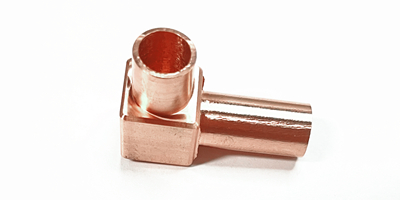
Copper liquid cooled joint has excellent thermal conductivity, which helps the CPU to quickly cool down and effectively reduces the overall energy consumption of the cooling system.
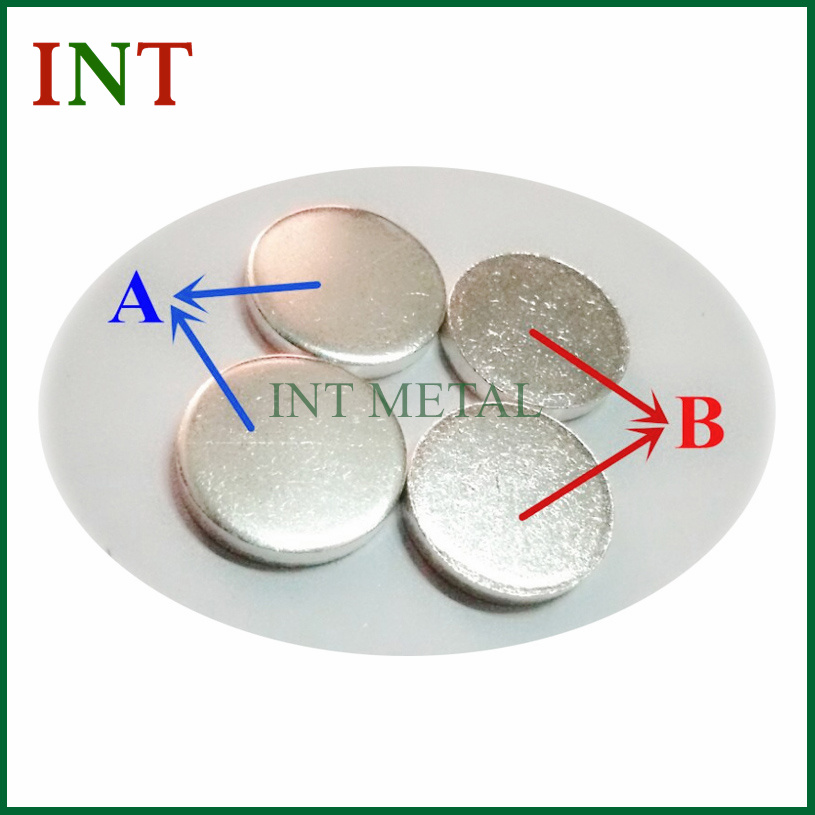
Silver Contact Points are essential electrical components widely used in relays, switches, circuit breakers, contactors, and other switching devices that require excellent conductivity and stable performance. As a professional manufacturer in precision metal materials, INT provides high-quality Silver Contact Points designed with superior electrical conductivity, arc resistance, and long service life to meet demanding industrial requirements. These components help reduce contact resistance, improve switching reliability, and ensure safer operation in various electrical systems.
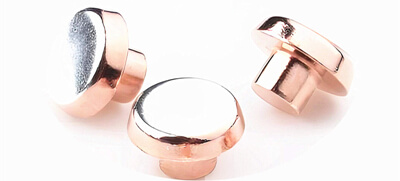
The silver contacts manufactured by Dongguan INT Metal Tech Co., Ltd. feature a uniform silver layer thickness and extremely high bonding strength,
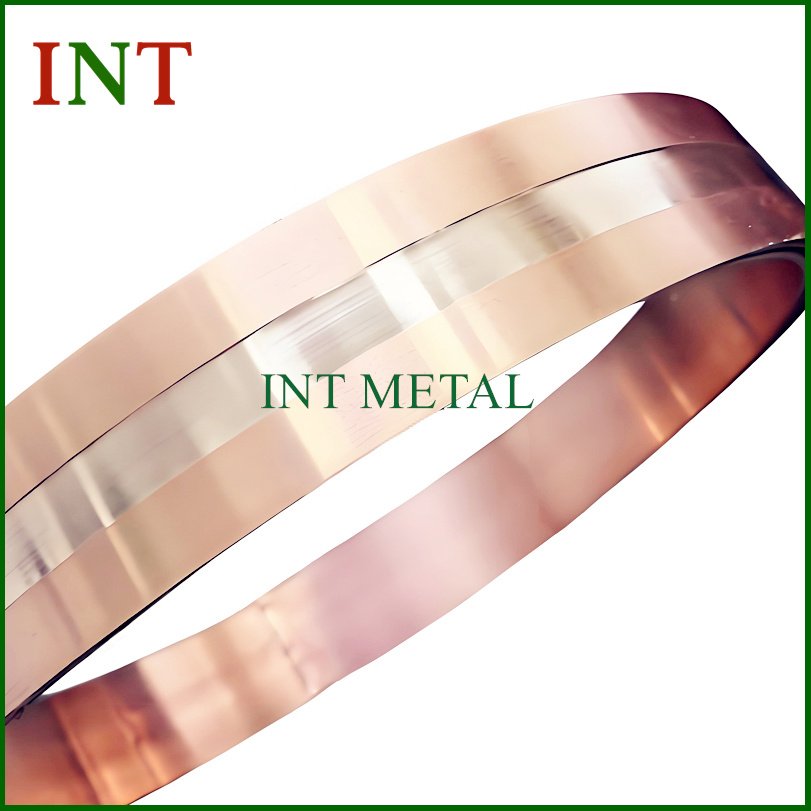
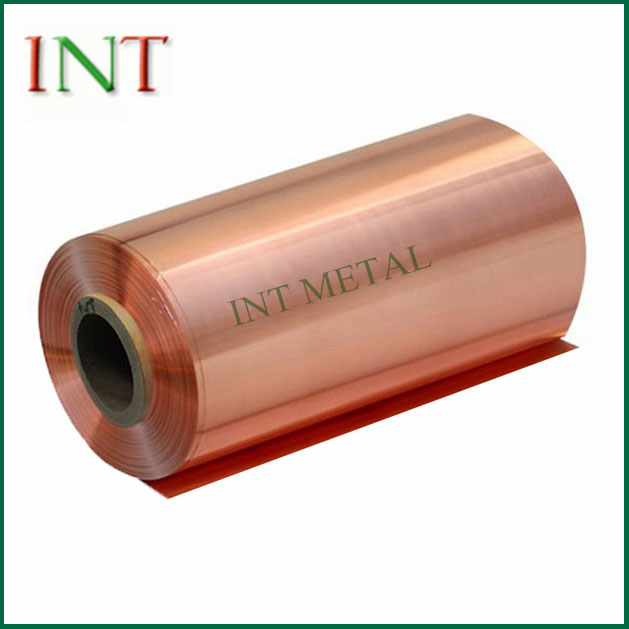
As a professional manufacturer of precision copper products, INT supplies high-quality Slotted copper Strip solutions for global industries seeking reliable electrical conductivity, excellent mechanical strength, and precision machining. Designed for demanding applications such as transformers, switchgear, power distribution systems, renewable energy equipment, and industrial electronics, slotted copper strips combine superior conductivity with customizable slot structures to improve assembly efficiency, heat dissipation, and electrical performance.
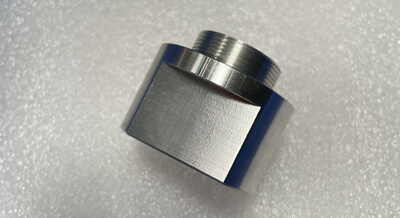
INT METAL focuses on precision CNC machining and has multiple three-axis/four axis/five axis linkage equipment with an accuracy of ± 0.005mm. We specialize in mass customization and complex part processing of aluminum, stainless steel, and special plastics.
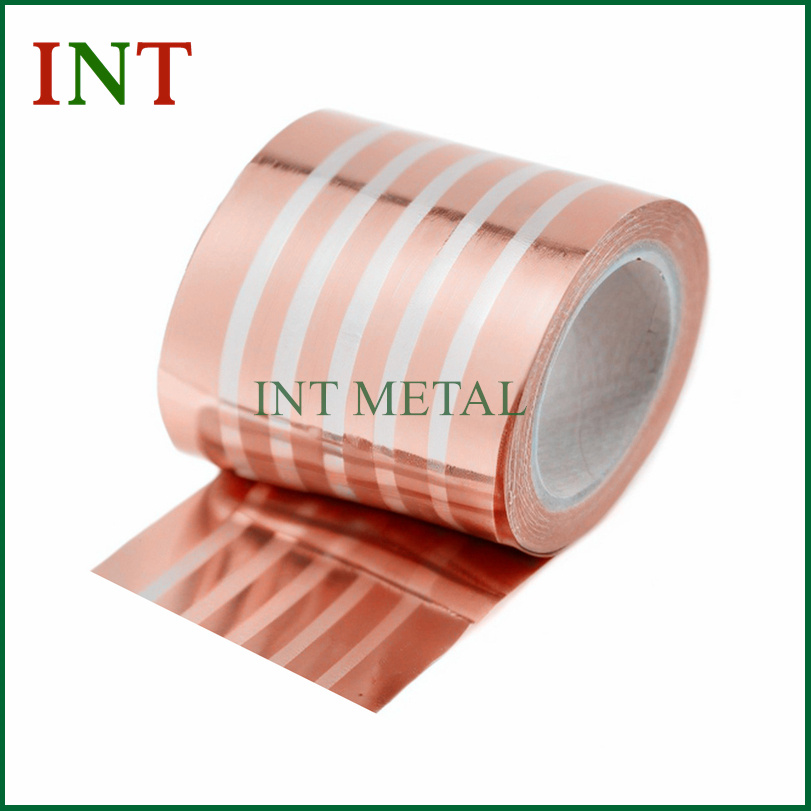
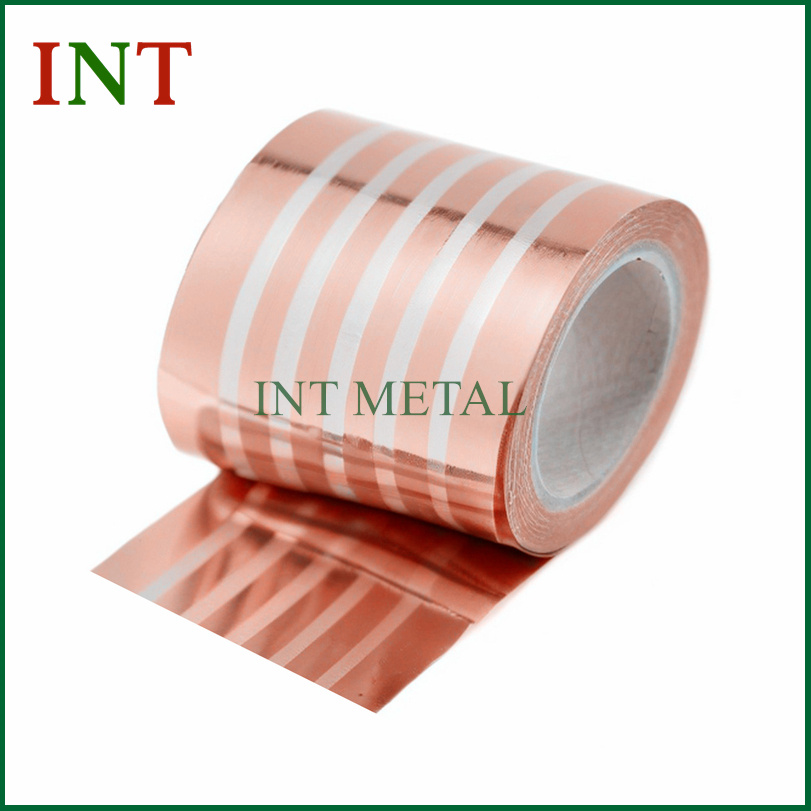
Silver Inlay Copper Strip is an advanced composite conductor material widely used in high-performance electrical and electronic systems. This article explores its structure, manufacturing process, advantages, applications, and selection criteria. Produced with precision by INT, the Silver Inlay Copper Strip offers superior conductivity, thermal stability, and long-term reliability for demanding industrial environments.