

Silver Contact Points are essential electrical components widely used in relays, switches, circuit breakers, contactors, and other switching devices that require excellent conductivity and stable performance. As a professional manufacturer in precision metal materials, INT provides high-quality Silver Contact Points designed with superior electrical conductivity, arc resistance, and long service life to meet demanding industrial requirements. These components help reduce contact resistance, improve switching reliability, and ensure safer operation in various electrical systems.
With the rapid development of automation equipment, renewable energy systems, automotive electronics, and smart electrical devices, the demand for reliable contact materials continues to grow. Understanding the characteristics, manufacturing process, applications, and advantages of Silver Contact Points helps engineers and procurement professionals select suitable solutions for their projects.
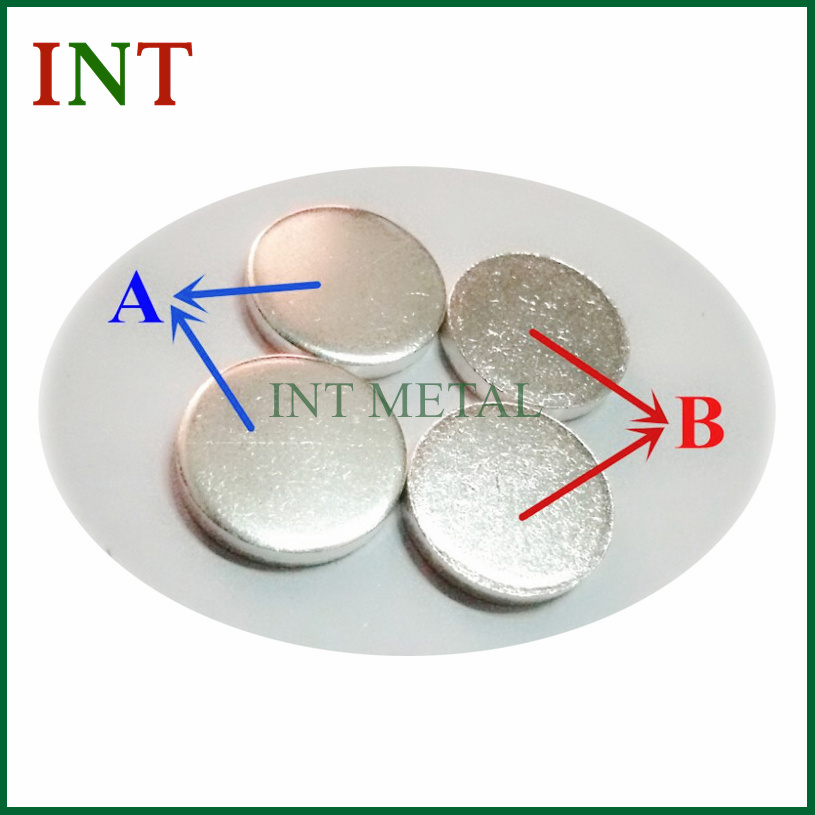
Table of Contents
- Why Are Silver Contact Points Important in Electrical Systems?
- What Are the Key Features of High-Quality Silver Contact Points?
- How Are Silver Contact Points Manufactured?
- Where Are Silver Contact Points Commonly Used?
- Silver Contact Points Material Comparison
- How to Choose the Right Silver Contact Points?
- Frequently Asked Questions About Silver Contact Points
- Contact INT for Professional Silver Contact Point Solutions
Why Are Silver Contact Points Important in Electrical Systems?
Electrical switching systems depend on contact materials to achieve stable current transmission and reliable circuit control. Silver Contact Points play a critical role because silver is one of the metals with the highest electrical and thermal conductivity. This allows electrical current to pass efficiently while minimizing energy loss caused by contact resistance.
During switching operations, electrical contacts experience mechanical impact, electrical arcs, oxidation, and heat generation. Poor-quality contact materials may lead to increased resistance, overheating, contact welding, or premature failure. High-performance Silver Contact Points are engineered to withstand repeated switching cycles while maintaining consistent electrical characteristics.
For industries requiring continuous operation, such as industrial automation, power distribution, and transportation equipment, reliable contact performance directly influences equipment safety and maintenance costs. Therefore, selecting professionally manufactured Silver Contact Points is an important factor in improving overall system efficiency.
- Excellent conductivity: Silver provides outstanding electrical conductivity, helping maintain stable current flow.
- Superior arc resistance: Proper silver alloy designs reduce damage caused by electrical arcs.
- Long service life: Durable materials support high-frequency switching operations.
- Low contact resistance: Efficient conductivity reduces heat generation and power loss.
What Are the Key Features of High-Quality Silver Contact Points?
High-quality Silver Contact Points are not simply made from pure silver. Depending on application requirements, manufacturers often combine silver with other metal elements to improve hardness, wear resistance, anti-welding performance, and environmental stability.
INT develops Silver Contact Points using advanced metal processing technologies to ensure consistent dimensions, reliable electrical performance, and excellent mechanical strength. These products are suitable for different switching conditions where precision and durability are essential.
| Feature | Description | Application Benefit |
|---|---|---|
| High Electrical Conductivity | Silver-based materials provide efficient current transmission. | Reduces energy loss and improves switching efficiency. |
| Excellent Thermal Performance | Rapid heat dissipation helps control operating temperature. | Enhances equipment stability during continuous operation. |
| Arc Resistance | Special alloy structures minimize damage caused by switching arcs. | Extends contact lifespan in high-load environments. |
| Wear Resistance | Optimized material composition improves mechanical durability. | Supports frequent switching applications. |
| Precision Manufacturing | Accurate dimensions ensure proper assembly compatibility. | Improves product reliability and installation efficiency. |
How Are Silver Contact Points Manufactured?
The manufacturing process of Silver Contact Points requires strict control of material selection, forming technology, and quality inspection. A professional production process ensures that each contact point achieves stable performance under different electrical conditions.
The typical manufacturing process includes several important stages:
- Material Preparation: High-purity silver and selected alloy elements are prepared according to performance requirements.
- Powder Metallurgy or Alloy Processing: Advanced forming technologies are applied to achieve optimized material structures.
- Precision Forming: Contact points are shaped into accurate dimensions to meet specific switch designs.
- Surface Treatment: Surface finishing improves conductivity, wear resistance, and corrosion resistance.
- Quality Testing: Electrical performance, mechanical strength, and dimensional accuracy are carefully inspected before delivery.
Through strict manufacturing control, reliable Silver Contact Points can maintain stable performance even under demanding conditions such as high voltage, frequent switching, and heavy electrical loads.
Where Are Silver Contact Points Commonly Used?
Silver Contact Points are widely applied across multiple industries because of their excellent conductivity and durability. They are especially important in electrical components where switching reliability directly affects system safety and efficiency.
- Power Distribution Equipment: Used in circuit breakers, contactors, and electrical protection devices.
- Industrial Automation: Applied in relays, control systems, and automated production equipment.
- Automotive Electronics: Used in automotive relays, charging systems, and electrical control modules.
- Home Appliances: Found in switches and control components requiring stable electrical contact.
- New Energy Applications: Suitable for solar power systems, energy storage equipment, and electric vehicle components.
The versatility of Silver Contact Points makes them a preferred choice for manufacturers seeking reliable electrical switching solutions with long-term operational stability.
Silver Contact Points Material Comparison
Selecting the right contact material is essential for achieving reliable electrical performance. Although silver is widely recognized as an excellent conductive material, different silver-based alloys provide different advantages depending on operating environments, electrical loads, and switching frequencies.
| Material Type | Main Characteristics | Typical Applications |
|---|---|---|
| Pure Silver (Ag) | Outstanding electrical and thermal conductivity with very low contact resistance. | Low-current switches, precision electrical components. |
| Silver Nickel (AgNi) | Excellent arc resistance and improved hardness compared with pure silver. | Relays, contactors, industrial switching equipment. |
| Silver Cadmium Oxide (AgCdO) | Strong anti-welding performance and good resistance to electrical erosion. | Traditional high-load switching applications. |
| Silver Tin Oxide (AgSnO₂) | Environmentally friendly material with excellent arc resistance. | Automotive relays, power contactors, high-current applications. |
| Silver Graphite (AgC) | Good lubrication performance and resistance to welding. | DC switching devices and special electrical applications. |
Among these materials, Silver Contact Points manufactured with optimized silver alloy technology can provide a balance between conductivity, durability, and safety. The ideal material choice depends on factors such as rated voltage, current capacity, switching frequency, and environmental conditions.
How to Choose the Right Silver Contact Points?
Choosing suitable Silver Contact Points requires a comprehensive evaluation of electrical, mechanical, and environmental requirements. Different applications may require different material structures and manufacturing specifications.
Before purchasing Silver Contact Points, engineers and buyers should consider the following factors:
- Electrical Load Requirements: Check rated current, voltage level, and switching conditions to ensure the contact material can handle the required electrical stress.
- Switching Frequency: Applications involving frequent operation require materials with higher wear resistance and arc durability.
- Operating Environment: Temperature, humidity, dust, and corrosive conditions may influence material selection.
- Mechanical Compatibility: The size, shape, and structure of contact points should match the electrical device design.
- Manufacturing Quality: Working with an experienced supplier ensures stable quality, accurate dimensions, and consistent performance.
For global buyers searching for a reliable China manufacturer, selecting a supplier with professional material knowledge and strict quality control is essential. INT focuses on providing precision Silver Contact Points solutions that meet different industrial requirements and support customized production needs.
What Advantages Do Silver Contact Points Bring to Modern Industries?
With increasing demands for automation, energy efficiency, and electrical safety, Silver Contact Points continue to play an important role in modern electrical engineering. Their unique material properties provide several advantages for manufacturers and end users.
| Advantage | Impact on Electrical Systems |
|---|---|
| Reduced Electrical Resistance | Improves energy efficiency and decreases unnecessary heat generation. |
| Stable Switching Performance | Ensures reliable operation under repeated switching conditions. |
| Extended Equipment Lifespan | Reduces replacement frequency and lowers maintenance costs. |
| Wide Application Compatibility | Supports different industries including automotive, industrial, and energy sectors. |
| Custom Manufacturing Capability | Allows products to match specific equipment requirements. |
As electrical technologies continue to advance, the demand for high-performance contact materials is expected to increase. Reliable Silver Contact Points help manufacturers improve product quality while maintaining operational safety and efficiency.
Why Is Manufacturing Quality Important for Silver Contact Points?
The performance of Silver Contact Points depends not only on material composition but also on manufacturing accuracy and quality management. Even small dimensional differences or surface defects may affect electrical contact performance.
A professional Silver Contact Points supplier should focus on:
- Strict raw material inspection to ensure material purity and consistency.
- Advanced production technology to maintain accurate product dimensions.
- Professional testing procedures to verify electrical and mechanical performance.
- Customized engineering support for different application requirements.
- Reliable production capacity to support large-volume industrial orders.
INT combines material expertise and precision manufacturing capabilities to produce Silver Contact Points suitable for demanding electrical applications. Through continuous improvement and quality control, INT helps customers achieve stable and efficient switching performance.
Frequently Asked Questions About Silver Contact Points
What are Silver Contact Points used for?
Silver Contact Points are mainly used in electrical switching components such as relays, switches, contactors, and circuit breakers. They provide reliable current transmission and help maintain stable electrical performance during repeated switching operations.
Why is silver commonly used for electrical contacts?
Silver is preferred because it has excellent electrical conductivity, good thermal conductivity, and low contact resistance. Silver-based materials can also be combined with other elements to improve durability and arc resistance.
Are Silver Contact Points suitable for high-current applications?
Yes. Properly designed silver alloy contact points can be used in high-current applications such as power equipment, industrial control systems, and automotive electrical components. The specific material should be selected according to current load and operating conditions.
Can Silver Contact Points be customized according to equipment requirements?
Yes. Professional manufacturers can customize Silver Contact Points according to different dimensions, material compositions, surface requirements, and application specifications.
How can buyers select a reliable Silver Contact Points supplier?
Buyers should evaluate supplier experience, manufacturing capabilities, quality inspection systems, customization ability, and product consistency. Choosing an experienced manufacturer helps ensure stable product performance and long-term cooperation.
Contact INT for Professional Silver Contact Point Solutions
High-quality Silver Contact Points are essential for improving electrical reliability, reducing maintenance requirements, and enhancing the performance of modern switching systems. With professional manufacturing technology, advanced material solutions, and strict quality management, INT provides dependable contact components for customers worldwide.
Whether you need standard products or customized Silver Contact Points for specific applications, INT can offer professional support and suitable solutions. If you are looking for an experienced supplier with reliable manufacturing capabilities, please contact us to discuss your requirements and discover the right electrical contact solution for your project.