
Silver Clad materials are widely used when manufacturers need dependable conductivity, controlled precious metal usage, strong bonding performance, and stable contact behavior in electrical components. Instead of using solid silver throughout the entire part, Silver Clad combines a silver or silver alloy layer with a base metal such as copper, brass, or bronze. This structure helps buyers reduce material cost while keeping the surface performance needed for switching, relays, circuit breakers, connectors, and other precision electrical applications. This article explains how Silver Clad works, why it solves common purchasing and production problems, which specifications deserve attention, and how buyers can evaluate a reliable supplier such as DONGGUAN INT METAL TECH CO.,LTD.
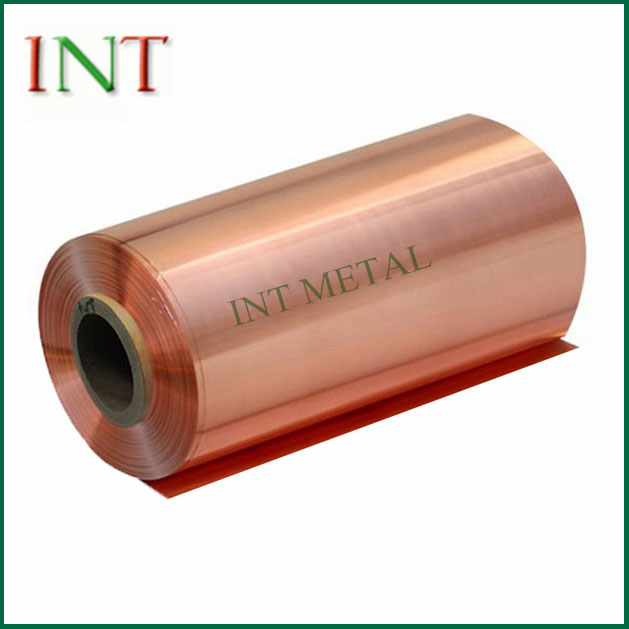
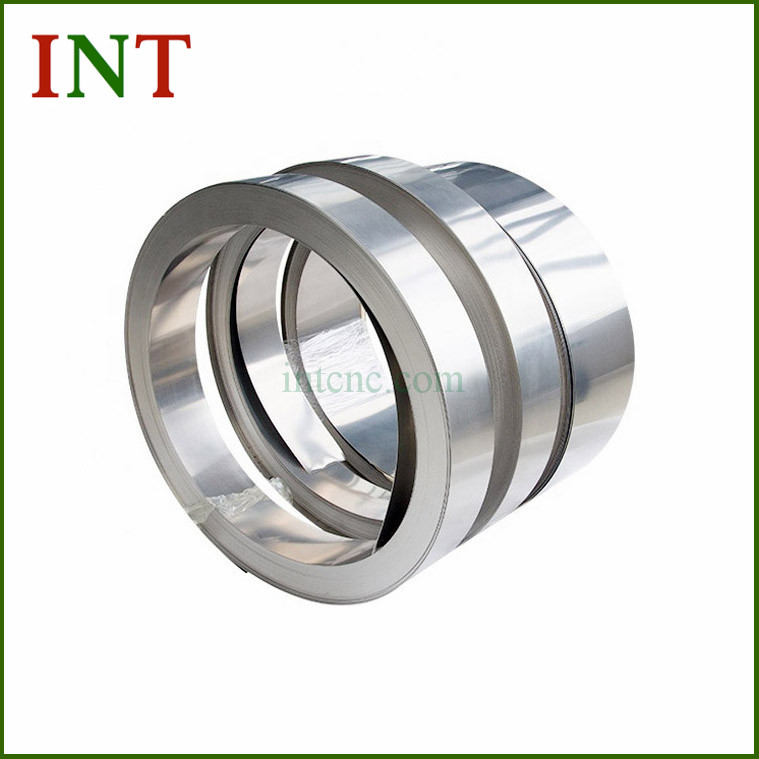
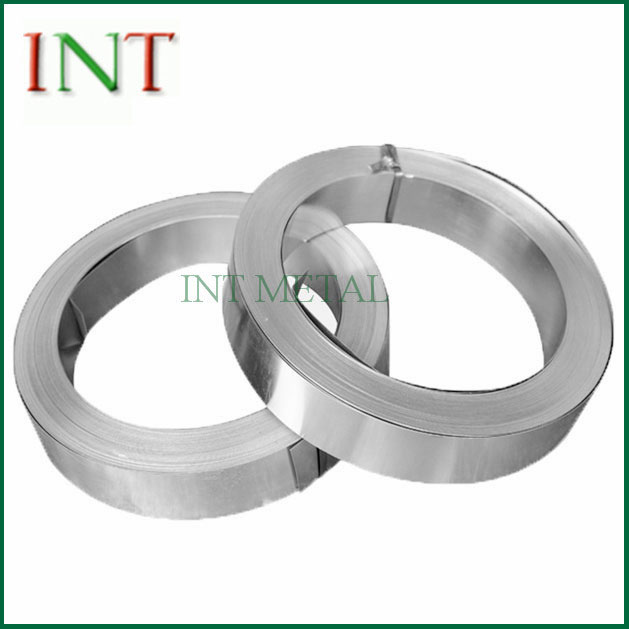
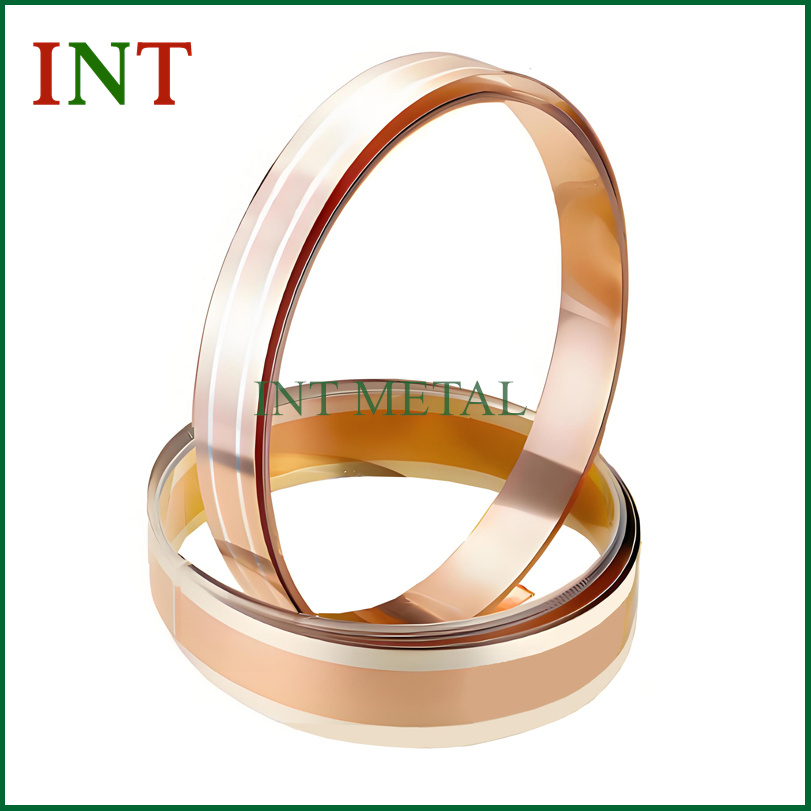
Silver Clad is a composite metal material made by bonding a silver or silver alloy layer onto a base metal. The base metal may be copper, brass, bronze, or another conductive alloy, depending on the final application. The purpose is simple but important: keep the functional advantages of silver on the working surface while using a more economical and mechanically suitable base underneath.
For many electrical components, the contact surface is where performance is won or lost. The surface needs to conduct current efficiently, resist wear, support repeated switching, and remain stable under heat, pressure, and long-term use. Solid silver can provide strong conductivity, but it may not always be the most practical choice from a cost or structural standpoint. Silver Clad gives manufacturers a more balanced option.
In real production, buyers are rarely looking for a material that looks impressive on paper only. They need stable coil-to-coil quality, suitable thickness control, predictable forming behavior, and reliable bonding strength. A well-made Silver Clad strip can support continuous automatic production and reduce the need for secondary welding or soldering after the clad material has been formed. That can make a large difference in both productivity and consistency.
DONGGUAN INT METAL TECH CO.,LTD. supplies Silver Clad materials for buyers who need practical performance rather than oversized promises. For purchasing teams, engineers, and production managers, the value of Silver Clad is not only in the silver layer itself. The real value comes from the way the silver layer, base metal, bonding process, thickness tolerance, and final application requirements work together.
Many customers begin looking for Silver Clad because they are trying to control cost without accepting unstable contact performance. Electrical contact materials are often exposed to repeated mechanical movement, current flow, temperature changes, oxidation risk, and pressure. A small weakness in material selection can become a major problem after mass production starts.
Silver Clad helps solve several common pain points:
From a buyer’s perspective, these benefits matter because material problems often appear late in the production chain. If the strip cracks during forming, if the silver layer separates, if contact resistance fluctuates, or if the surface wears too quickly, the result may include rejected parts, delayed shipments, customer complaints, and higher hidden costs. Choosing the right Silver Clad material at the beginning can help prevent those problems before they become expensive.
The cheapest Silver Clad option is not always the lowest-cost option in real production. A slightly better-controlled material can reduce waste, improve yield, and protect the stability of the final electrical component.
Silver Clad is not a single fixed product. It is a material category that can be adjusted according to the application. The silver layer may be pure silver or a silver alloy, while the base metal can be selected for conductivity, strength, elasticity, forming performance, or cost control.
| Silver Clad Type | Common Base Material | Main Advantage | Typical Use Direction |
|---|---|---|---|
| Silver Clad Copper Strip | Copper or copper alloy | Good conductivity with controlled silver usage | Electrical contacts, switches, conductive parts |
| Silver Clad Brass Strip | Brass | Good forming performance and balanced cost | Stamped parts, contact components, connector-related parts |
| Silver Clad Bronze Strip | Bronze or copper alloy | Improved mechanical behavior and wear resistance | Spring contacts, relay parts, precision electrical components |
| Silver Alloy Clad Strip | Copper, brass, or bronze | Customized surface performance for specific working conditions | Applications requiring special wear, arc, or contact behavior |
The right structure depends on the working environment. For example, a part that needs excellent conductivity may use a copper base. A part that must be stamped into a complex shape may need a base metal with better forming characteristics. A spring contact may require stronger mechanical recovery. This is why Silver Clad purchasing should not be handled as a simple price-per-kilogram comparison.
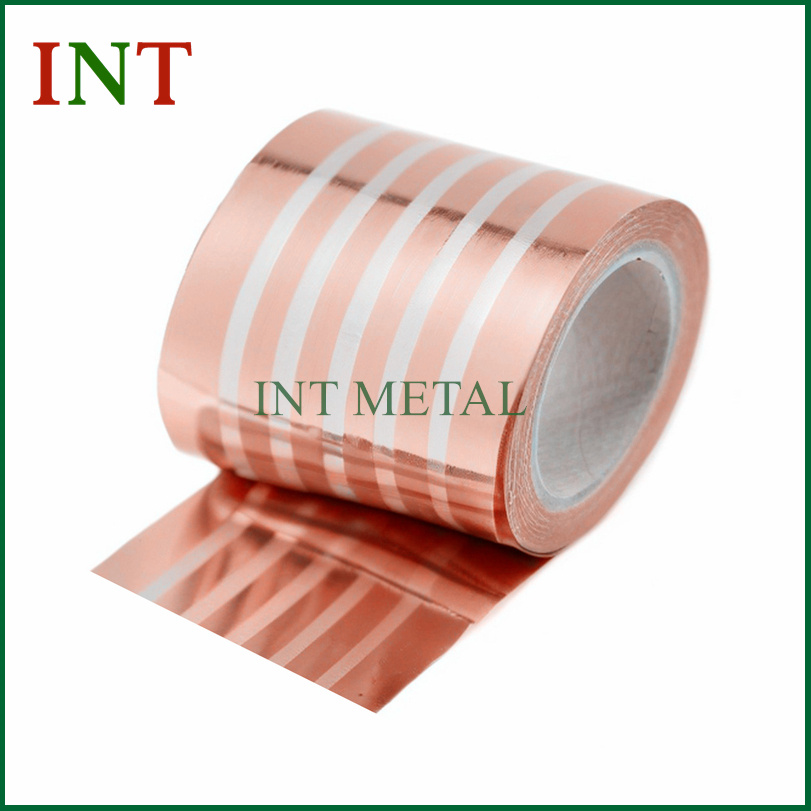
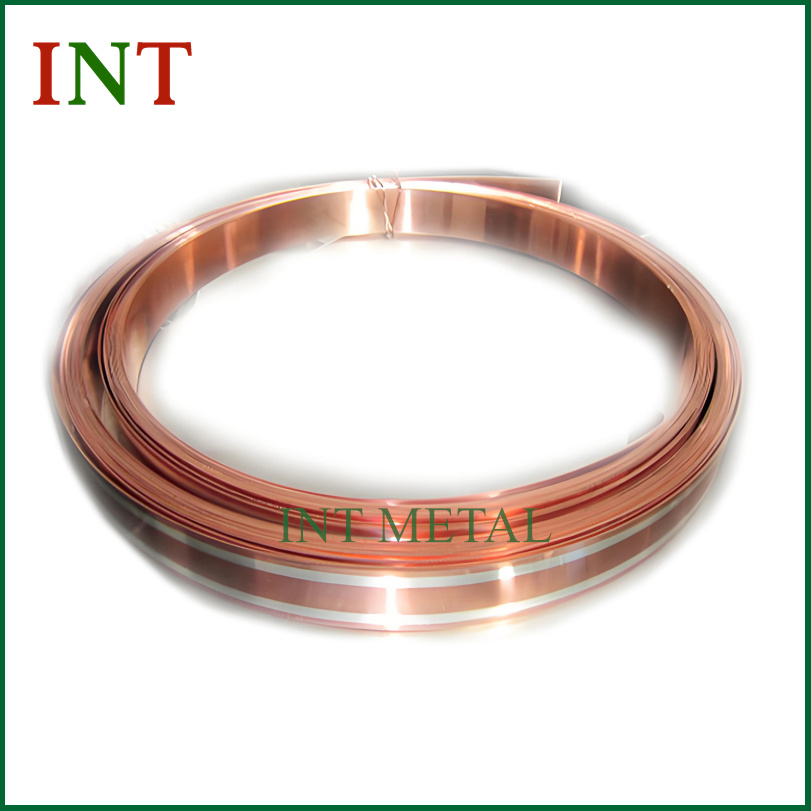
Buyers should also consider whether they need full-surface cladding, edge cladding, inlay cladding, or onlay cladding. Each structure changes how the silver layer is positioned and how the strip behaves during downstream processing. If the silver area does not match the final contact point, the material may look correct but fail to deliver the intended value.
Silver Clad materials are often used in industries where electrical reliability and production efficiency must be balanced. The material is especially useful when the final part needs a high-performing contact surface but does not require the entire body to be made from precious metal.
Common application areas include:
In these applications, material failure may not be dramatic at first. It may begin as unstable resistance, surface wear, weak bonding, heat buildup, or shorter service life. Over time, those small issues can affect the reliability of the finished product. That is why many manufacturers prefer Silver Clad materials with controlled bonding and consistent dimensional accuracy.
For high-volume production, consistency may be even more important than peak performance. A material that performs well in one small sample but changes from batch to batch can create serious production risk. Reliable Silver Clad should offer repeatable strip thickness, stable silver layer distribution, good surface condition, and suitable mechanical properties for stamping or forming.
Ordering Silver Clad without clear technical communication can lead to mismatched material, unnecessary cost, or production delays. Buyers should prepare application details before asking for a quotation. A responsible supplier will usually need more than just width and thickness.
Important points to confirm include:
A buyer who only asks for “Silver Clad price” may receive a quote quickly, but not necessarily the right material. A better approach is to share drawings, application photos, current material problems, annual demand, tolerance requirements, and testing standards when available. This allows the supplier to recommend a more suitable structure.
If the current problem is high silver consumption, the supplier may focus on reducing silver thickness or changing the cladding design. If the problem is cracking during stamping, the discussion should move toward base metal condition and mechanical properties. If the issue is unstable contact behavior, surface material and bonding quality become more important. Silver Clad selection should always begin with the real production problem.
A trustworthy Silver Clad supplier should understand both material production and downstream application requirements. The supplier should not treat every inquiry as the same strip with a different size. Electrical contact materials often require practical engineering judgment because small changes in silver thickness, base metal hardness, or cladding position can influence the finished part.
Buyers can evaluate a supplier through several signs:
| Evaluation Point | Why It Matters | What Buyers Should Ask |
|---|---|---|
| Customization ability | Different parts need different cladding structures and material combinations. | Can the supplier adjust base metal, silver layer, thickness, width, and cladding position? |
| Bonding reliability | Poor bonding can cause delamination, unstable performance, and rejected parts. | How is bonding quality controlled and inspected? |
| Production consistency | Stable coils help automatic production run smoothly. | Can the supplier maintain repeatable tolerance and surface quality? |
| Application understanding | Material should match the final part, not only the drawing. | Has the supplier worked with electrical contacts, relays, switches, or circuit breaker components? |
| Responsive communication | Fast technical feedback reduces project delay. | Can the supplier review drawings and provide practical suggestions before mass production? |
DONGGUAN INT METAL TECH CO.,LTD. works with Silver Clad materials for customers who need customized metal strip solutions. For buyers, the advantage of working with a focused manufacturer is that technical details can be discussed before the order is fixed. This helps avoid the common mistake of buying a material that meets a simple description but does not match the actual working condition.
A good supplier should also be honest about what can and cannot be achieved. Not every application needs the thickest silver layer. Not every base metal is suitable for every forming process. Not every low-cost option will survive the required service life. Clear technical communication protects both sides and leads to better production results.
Silver Clad is commonly used for electrical contacts, relays, switches, circuit breakers, connectors, spring contacts, and other conductive components that need a reliable silver contact surface with a cost-controlled base material.
Silver Clad is not always “better” in every situation, but it is often more practical. It provides silver performance on the working surface while reducing precious metal usage. For many electrical parts, this balance makes more sense than using solid silver throughout the entire component.
In many designs, Silver Clad strip can be used for continuous automatic production and may reduce the need for additional welding or soldering after the clad material is formed. The exact process depends on the final part design and production method.
The base metal depends on the application. Copper is often selected for conductivity, brass for forming and cost balance, and bronze for mechanical performance or spring behavior. Buyers should choose the base metal according to both electrical and mechanical requirements.
Yes. Silver Clad can often be customized by silver layer thickness, base material, strip width, total thickness, cladding position, hardness, and coil requirements. Customization is especially important when the material will be stamped or formed into precision parts.
Buyers can reduce cost by choosing the correct silver thickness, matching the cladding area to the actual contact position, selecting a suitable base metal, and avoiding excessive precious metal usage. The goal is not simply to buy thinner material, but to use silver only where it creates real performance value.
Silver Clad is valuable because it answers a very practical manufacturing question: how can a component keep reliable silver contact performance without carrying the full cost of solid precious metal? For electrical contacts, relays, switches, circuit breakers, connectors, and stamped conductive parts, the answer often lies in a carefully designed clad structure.
The best Silver Clad choice depends on the final part, not just the material name. Buyers should look at base metal, silver layer thickness, bonding quality, forming behavior, contact position, working environment, and batch consistency. When those details are handled correctly, Silver Clad can help reduce cost, improve production efficiency, and support dependable electrical performance.
If you are comparing Silver Clad materials for electrical contacts, switches, relays, connectors, or custom metal strip applications, DONGGUAN INT METAL TECH CO.,LTD. can help review your requirements and recommend a suitable solution. Share your drawings, target specifications, and production concerns with our team, and contact us to discuss a customized Silver Clad material for your next project.