
Choosing the right Contact Rivets is rarely a minor detail. For many electrical products, this small component directly influences conductivity, heat resistance, service life, switching consistency, and the rate of field failure. In this article, I break down what buyers usually worry about most, how different material and structural choices affect real-world results, and what to ask before placing an order. I also explain why manufacturers such as DONGGUAN INT METAL TECH CO.,LTD. focus not only on material selection, but also on process control, dimensional precision, and application matching when supplying these parts for switching systems.
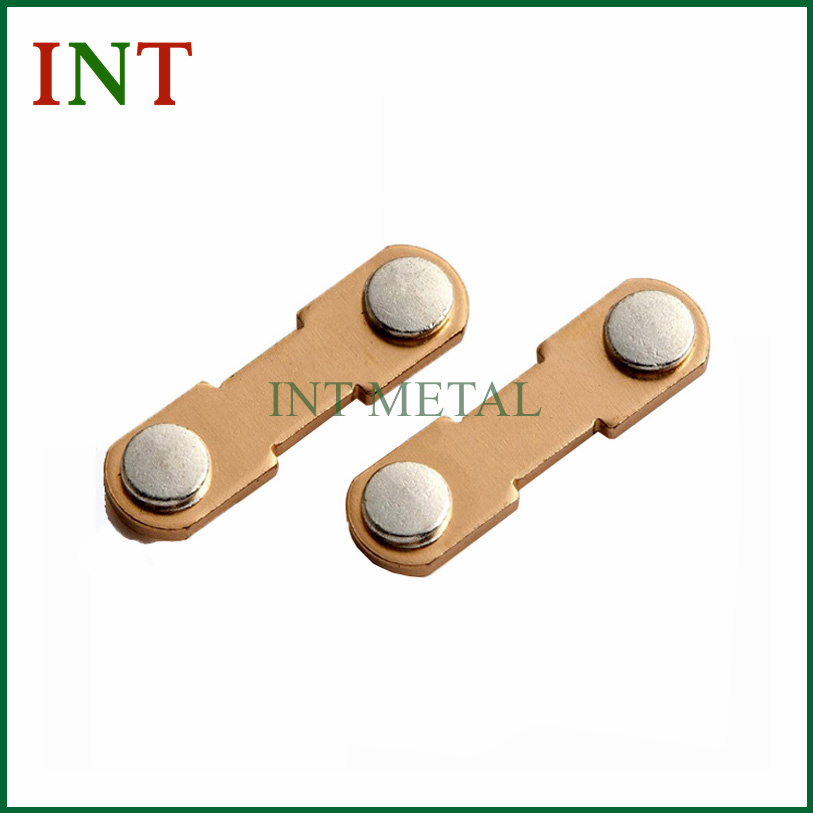
Because a switching product can look perfect on paper and still fail in the field if the contact point is not right. I have seen buyers focus heavily on the housing, spring, coil, or assembly structure while underestimating the role of the contact area itself. That is usually where the trouble starts. If the rivet material is poorly matched to the electrical load, if the bonding is weak, or if dimensional tolerances drift too much, the result can be excessive temperature rise, poor arc resistance, unstable conductivity, welding, surface damage, or shortened operating life.
That is why Contact Rivets matter far beyond their size. They are not just fastening parts. In many applications, they are part of the electrical performance path. Their job is to help carry current, survive repeated opening and closing, resist wear, and maintain stable contact resistance over time. For procurement teams, the real challenge is not simply finding a part that looks similar. It is making sure the part continues to behave well after thousands or even millions of cycles.
When buyers complain that their switches start failing too early, generate abnormal heat, or show inconsistent contact marks, the root cause often traces back to improper contact material selection or process inconsistency. So yes, these tiny parts deserve a lot of attention.
Contact Rivets are metal contact components typically used in electrical switching assemblies where repeated opening and closing actions demand reliable conductive contact. They are commonly found in switches, relays, breakers, controllers, regulators, automotive electrical assemblies, starters, and other products that rely on dependable current transfer during mechanical action.
What makes them important is the combination of two jobs in one part. First, they must be mechanically compatible with the assembly process. Second, they must perform electrically under heat, load, friction, and arc exposure. That dual requirement is exactly why buyers should never treat all Contact Rivets as interchangeable.
A good rivet must fit the application, not just the drawing. Low-current systems, high-frequency switching, load-bearing contacts, and compact electrical devices all create different demands. One material may perform well in one design and struggle badly in another. That is why experienced suppliers usually ask about voltage, current, switching frequency, load type, life expectation, and assembly method before making recommendations.
Buyers usually come with one of these headaches:
None of these are small problems. A poor contact interface can affect customer trust, maintenance cost, and even safety. That is why the purchasing decision should involve both engineering logic and manufacturing review. A lower unit price does not necessarily mean lower total cost. If the component causes rework, returns, or shortened product life, it becomes expensive very quickly.
Another issue I see often is overgeneralization. Some teams choose based on a familiar material name and assume it will work in every project. But switching duty varies. An application with low current and frequent operation is different from one with larger load peaks or harsher environmental exposure. The right choice depends on the full operating picture.
I prefer to think about it in layers. Start with application conditions, then move to material choice, then confirm manufacturing stability. If you skip the first step, even a well-made part may still be wrong for your product.
For serious projects, sample validation matters. Buyers should test not only initial conductivity, but also wear pattern, heat behavior, and switching life. A part that performs well in the first few cycles may behave very differently after repeated operation.
The table below gives a practical comparison framework that buyers can use during supplier communication. It is not a replacement for engineering validation, but it helps structure the conversation.
| Factor | Why It Matters | What Buyers Should Ask |
|---|---|---|
| Contact material | Affects conductivity, arc resistance, wear, and anti-welding performance | Which alloy is recommended for my current load and switching frequency? |
| Head and shank dimensions | Influences fit, assembly stability, and mating behavior | What tolerances can you hold consistently in mass production? |
| Surface quality | Impacts contact resistance and wear pattern | How do you control surface finish and inspection? |
| Bonding integrity | Critical when dissimilar materials are combined | How do you verify bonding strength and structural reliability? |
| Cycle-life suitability | Determines how long the part remains stable in service | Do you have application guidance or test experience for similar products? |
| Batch consistency | Reduces quality drift and field complaints | What controls are in place for raw material, process, and final inspection? |
When I compare offers, I do not just look at price and lead time. I look at whether the supplier can discuss these factors clearly. If a supplier cannot explain why one type of Contact Rivets fits your application better than another, that is usually a warning sign.
Because even the correct material can fail you if the process is unstable. In real purchasing work, I have seen projects stumble not because the original selection was wrong, but because quality drift appeared after the trial stage. The first samples passed. Later batches did not behave the same way.
That is why process capability matters. Dimensional uniformity, clean forming, sound bonding, stable composition, and repeatable inspection all contribute to the final result. Tiny variations can influence assembly pressure, contact area, heat distribution, and switching marks. Over time, those small differences turn into performance gaps.
This is where a manufacturing-oriented supplier becomes valuable. A capable producer does not just ship parts. They help reduce uncertainty. They understand that buyers need predictable output, not isolated success. For this reason, companies such as DONGGUAN INT METAL TECH CO.,LTD. are often evaluated not only on catalog range, but also on whether they can support custom requirements, discuss process details clearly, and keep quality stable over repeated orders.
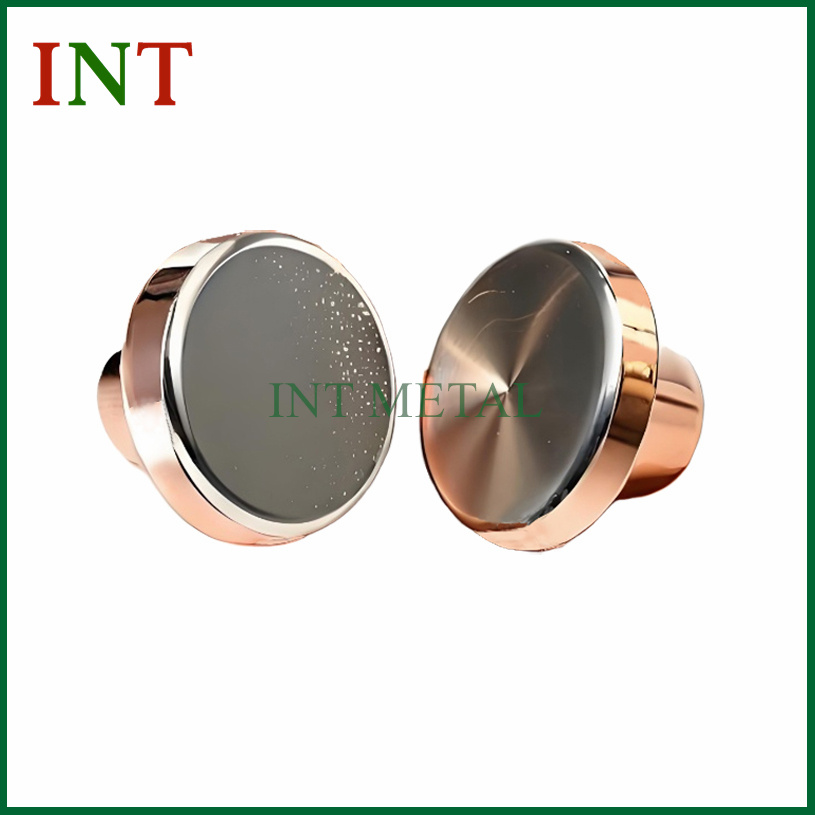
A dependable supplier should make your decision easier, not harder. At minimum, I would expect the following:
Good suppliers also understand that procurement is not only technical. Buyers need reliable delivery, usable documentation, responsive communication, and confidence that issues will be handled seriously if they appear. This matters even more for components like Contact Rivets, where performance problems may not show up immediately but can become costly later in service.
If I were selecting a long-term supplier, I would rather work with a team that asks detailed questions early than one that says yes to everything too quickly. Thoughtful questions usually mean they care about fit, not just the order.
Contact Rivets may be small, but they carry a large share of responsibility inside electrical switching products. When chosen well, they support stable conductivity, stronger durability, and more predictable product life. When chosen poorly, they become a hidden source of overheating, welding, inconsistent operation, and customer complaints.
That is why smart buyers go beyond the drawing. They compare materials carefully, confirm operating conditions, examine manufacturing consistency, and work with suppliers who can discuss application details with confidence. If your project depends on dependable electrical contact performance, now is the right time to review whether your current parts are truly matched to your real operating conditions.
If you are looking for practical support on material selection, customization, and consistent production of Contact Rivets, contact us today and let our team help you find a more reliable solution for your next switching application.
Q1: Are Contact Rivets only used in high-current products?
No. Contact Rivets are used across a range of electrical applications. The exact material and design should be selected according to load conditions, operating frequency, and life expectations.
Q2: Can I choose Contact Rivets mainly by price?
That is risky. A low initial price may lead to higher total cost if the parts create heat, wear, instability, or warranty claims. Performance matching matters more than unit price alone.
Q3: Why do similar-looking Contact Rivets perform differently?
Appearance is only part of the story. Material composition, bonding quality, tolerances, surface condition, and process stability all influence performance in actual service.
Q4: Should I request samples before placing a bulk order?
Yes. Sampling and testing are strongly recommended, especially for new projects or when changing suppliers. Validation helps confirm switching life, resistance stability, and assembly compatibility.
Q5: What information should I provide when asking for a quotation?
It is best to share drawings, application type, current and voltage conditions, switching frequency, expected service life, and any special dimensional or assembly requirements.