
Article Summary
When buyers look for metal materials for connectors, terminals, shielding parts, transformer components, battery systems, and precision stamped parts, they often compare price first and performance second. That is usually where expensive mistakes begin. In my experience, the real value of Copper Strip is not just its conductivity. It is the balance it creates between stable electrical performance, workable strength, corrosion resistance, processing efficiency, and long-term reliability. In this article, I will explain where buyers usually get stuck, how to evaluate the right grade and temper, what mistakes lead to waste and rejects, and why working with an experienced supplier such as DONGGUAN INT METAL TECH CO.,LTD. can make sourcing much more predictable.
Table of Contents
Outline
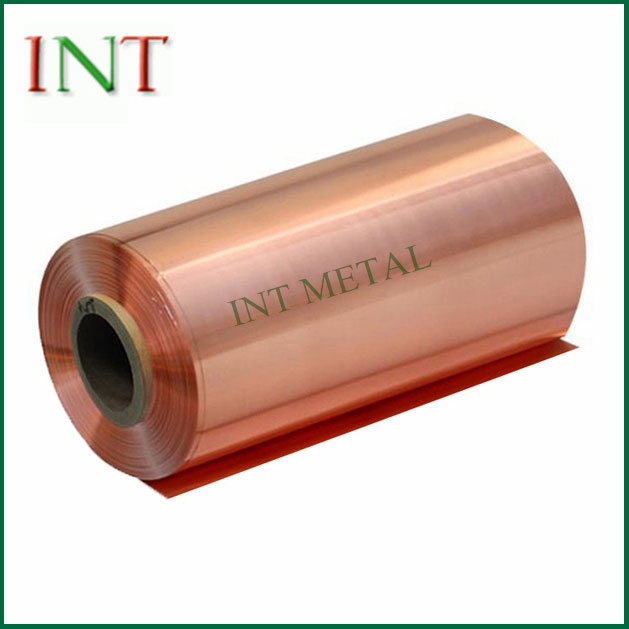
I have noticed that many buyers start by seeing Copper Strip as a basic raw material. That sounds reasonable, but in real production it is rarely “basic.” It influences electrical efficiency, heat management, stamping performance, welding consistency, plating adhesion, scrap rate, and even assembly speed. Once that becomes clear, it stops being just a material line item and starts becoming a process decision.
In industries such as electronics, power distribution, automotive electrical systems, renewable energy equipment, switchgear, relays, battery packs, connectors, and precision hardware, material failure is often not dramatic at first. It may begin as uneven conductivity, burr formation, cracking during bending, unstable spring performance, oxidation after storage, or poor bonding during downstream processing. These issues do not always come from bad engineering. Very often, they come from choosing the wrong strip.
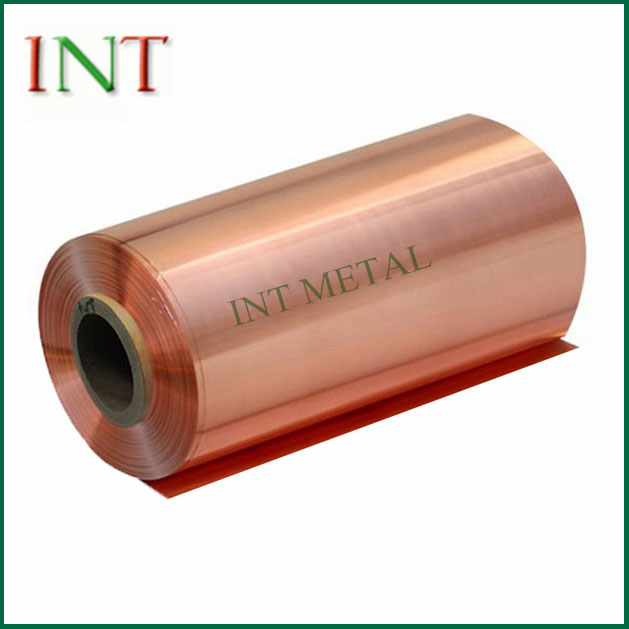
This is exactly why Copper Strip remains so important. A high-quality strip offers a practical combination of properties buyers depend on every day:
My view is simple: when your finished product relies on stable transmission, low resistance, precise forming, or dependable joining, the quality of the strip affects far more than the purchasing department may see on day one.
Most sourcing pain points appear long before a complaint is filed. They show up during quotation comparison, sample review, pilot production, or mass production ramp-up. I often see buyers struggle in five areas.
Another common issue is assuming all copper materials behave the same. They do not. Different grades and treatments can produce very different mechanical and electrical outcomes. That is why a sourcing conversation should never stop at thickness, width, and quantity.
When I evaluate Copper Strip, I like to work backward from the actual use scenario. That keeps the discussion practical. Instead of asking only what the strip is, I ask what it needs to survive and what it needs to do.
Here are the factors I would review first:
| Selection Factor | Why It Matters | What Buyers Should Confirm |
|---|---|---|
| Grade | Determines conductivity, purity, strength, and workability | Is pure copper enough, or is a specialized alloy or oxygen-free option better? |
| Temper / Hardness | Affects bending, stamping, springback, and crack risk | Do you need soft, half-hard, or hard material? |
| Thickness Tolerance | Controls fit, resistance, and forming consistency | How tight must the tolerance be for your tooling and final assembly? |
| Surface Condition | Influences plating, welding, appearance, and conductivity | Do you need a clean bright surface, plated surface, or a special finish? |
| Edge Quality | Reduces burr issues and improves precision processing | Will the strip be stamped at high speed or used in visible components? |
| Application Environment | Impacts corrosion resistance and service life | Will the part work in heat, moisture, outdoor conditions, or corrosive settings? |
Buyers who take time to define these points usually make better decisions faster. It also becomes much easier for the supplier to recommend the right material rather than just pushing a catalog item.
One reason this category can feel confusing is that “copper strip” is not a single narrow product idea. It covers a family of options suited to different technical goals. In practical sourcing, that is actually a strength. It means buyers can match performance more precisely to application needs.
Here is a simplified way I would think about common directions:
| Type | Best Fit | Main Advantage | Possible Caution |
|---|---|---|---|
| Pure Copper Strip | General conductive parts, terminals, connectors, bus-related components | Very good conductivity and easy processing | May not provide enough strength for all structural uses |
| Oxygen-Free Copper Strip | High-performance electrical parts, vacuum-related uses, precision electronics | High purity, low oxygen content, stable electrical performance | Usually costs more than standard material |
| C19400 Copper Strip | Applications requiring better strength with good conductivity | Balanced mechanical strength and electrical performance | Needs correct processing route for best results |
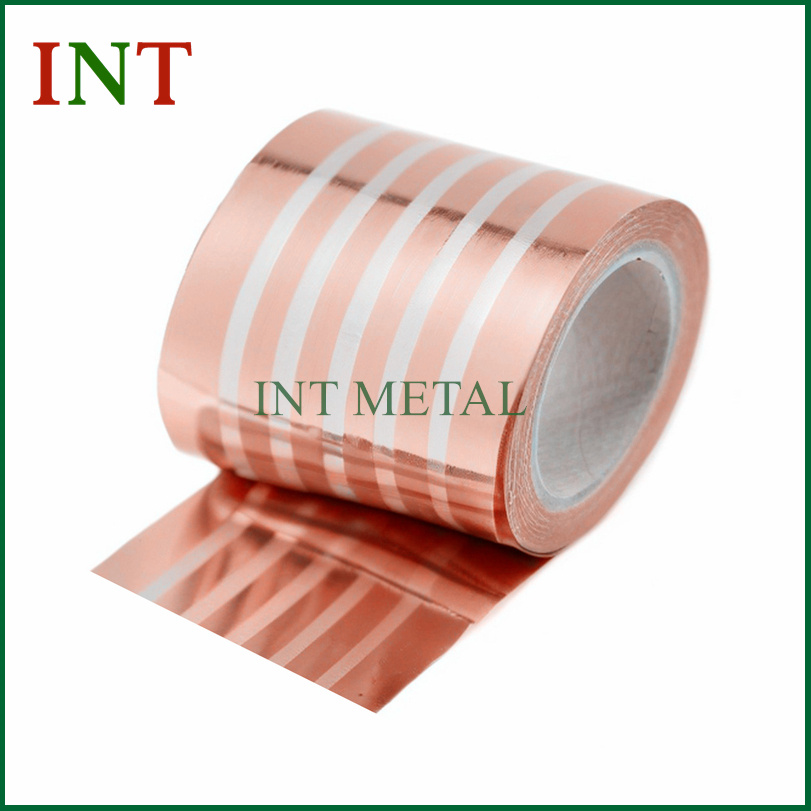
| Plated Copper Strip | Parts requiring improved surface performance, solderability, or contact behavior | Better surface function for specific downstream needs | Plating quality and adhesion must be verified carefully |
For buyers, the key is not memorizing every grade. The key is understanding the tradeoff. If maximum conductivity is the first priority, one route makes sense. If you need more strength, surface performance, or specialty processing, another route may be smarter. That is where supplier guidance becomes valuable.
I never think a material is truly evaluated until it has passed both document review and practical testing. A polished quote sheet can look impressive, but mass production depends on control, not presentation.
If I were qualifying a new supplier for Copper Strip, I would check the following:
I also like to ask direct questions that reveal how mature the supplier really is:
Those questions often separate a trading mindset from a technical manufacturing mindset. The best suppliers do not just sell coil; they help reduce risk.
Procurement teams are under pressure to control cost, so I understand why lower quotes attract attention. But with Copper Strip, the cheapest option can become expensive in quiet ways: extra scrap, more die wear, slower stamping speeds, unstable plating results, rework, warranty claims, and delayed shipments.
Here is how that hidden cost usually builds:
A buyer may save a little on the purchase order and lose much more on the shop floor. I prefer to think in terms of total manufacturing value, not unit price alone. That is especially true for components that carry current, transfer heat, or must hold tight tolerances after forming.
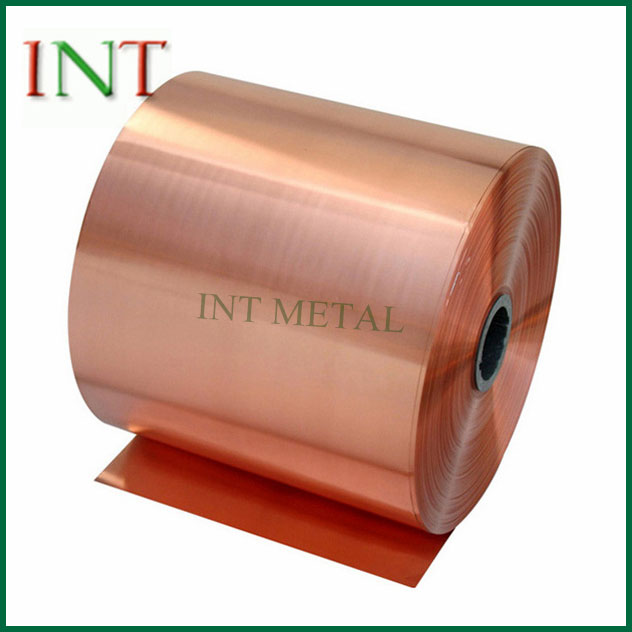
In my view, a reliable supplier should do more than answer emails quickly. Good service is useful, but technical alignment is what protects a project. A dependable copper strip manufacturer should understand application logic, quality risk, and custom requirements, then turn that understanding into clear recommendations.
DONGGUAN INT METAL TECH CO.,LTD. is a good example of the type of supplier buyers usually want to work with when they need more than a generic catalog listing. For projects involving customized conductive materials, it helps to cooperate with a team that can support different copper strip directions, communicate clearly, and move from inquiry to sample to production without confusion.
What I would expect from a trustworthy partner includes:
When these elements are in place, sourcing becomes easier for engineers, buyers, and production managers at the same time. That is the kind of supply relationship most serious manufacturers are actually looking for.
FAQ
1. Is copper strip only suitable for electrical applications?
No. Electrical conductivity is one of its biggest advantages, but many buyers also choose it for thermal transfer, shielding, corrosion resistance, and good processing behavior in stamped or formed parts.
2. How do I know whether I need pure copper or oxygen-free copper?
If your application has stricter requirements for purity, conductivity stability, or specialized processing, oxygen-free material may be the better choice. For many standard conductive uses, pure copper can already perform very well.
3. Does hardness really matter that much?
Yes. Hardness affects cracking risk, forming behavior, shape retention, and tool compatibility. A strip that is too hard or too soft for the process can create production problems very quickly.
4. Can I customize thickness, width, or surface treatment?
In many cases, yes. Serious manufacturing projects often require customized dimensions or surface solutions. It is best to confirm technical parameters early so sample testing matches the real application.
5. Why does one copper strip quotation differ so much from another?
Price differences often come from grade, purity, tolerance control, surface finish, temper, testing standards, customization complexity, and batch consistency. A lower price does not always mean better value.
6. What should I send a supplier before asking for a quote?
I recommend sharing the target application, required grade if known, thickness, width, temper, surface requirement, annual demand, and whether the strip will be stamped, bent, plated, soldered, or welded later.
If I had to summarize the smartest way to buy Copper Strip, I would say this: start from the real performance goal, not from the lowest visible number on the quotation sheet. The right strip should support your conductivity target, your forming process, your surface requirement, your product life, and your production rhythm. When those points align, the material starts working for your business instead of quietly creating problems behind the scenes.
That is why many manufacturers prefer to discuss their application directly before locking the order. A capable partner can help narrow the right grade, reduce trial-and-error, and improve long-term supply stability. If you are sourcing copper materials for connectors, electrical parts, precision stamping, heat-transfer components, or other industrial applications, now is a good time to compare more carefully and ask deeper technical questions.
If you are looking for a dependable supplier that understands custom requirements and practical manufacturing needs, contact us today. DONGGUAN INT METAL TECH CO.,LTD. can help you evaluate the right copper strip solution for your project, provide more targeted support, and move your inquiry toward a more confident purchasing decision.