
Article Summary
Brass strip is often chosen when buyers need a practical balance of conductivity, formability, surface quality, corrosion resistance, and cost control. In this article, I explain what brass strip is, why it matters in real production environments, how to choose the right alloy and temper, and what common mistakes lead to delays, waste, and unstable product performance. I also share a simple selection framework that helps procurement teams, engineers, and manufacturers make better decisions with fewer trials.
Table of Contents
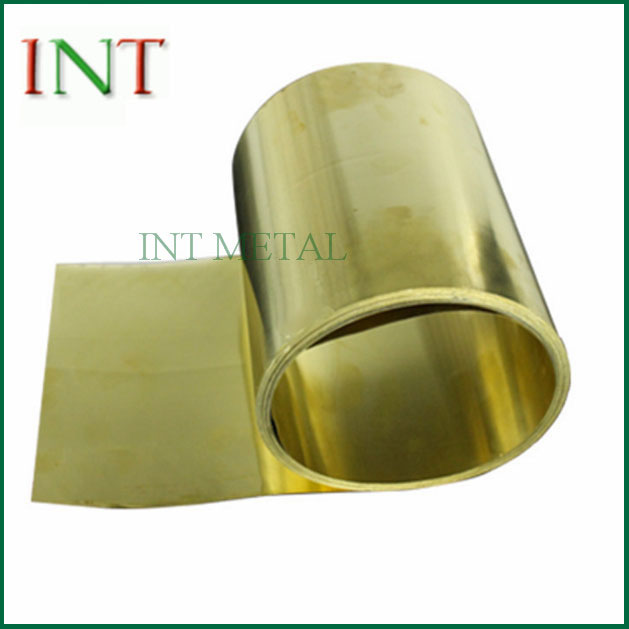
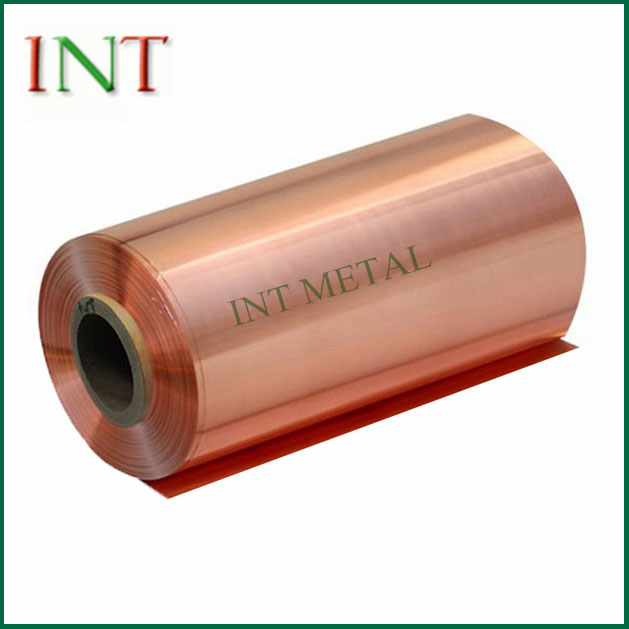
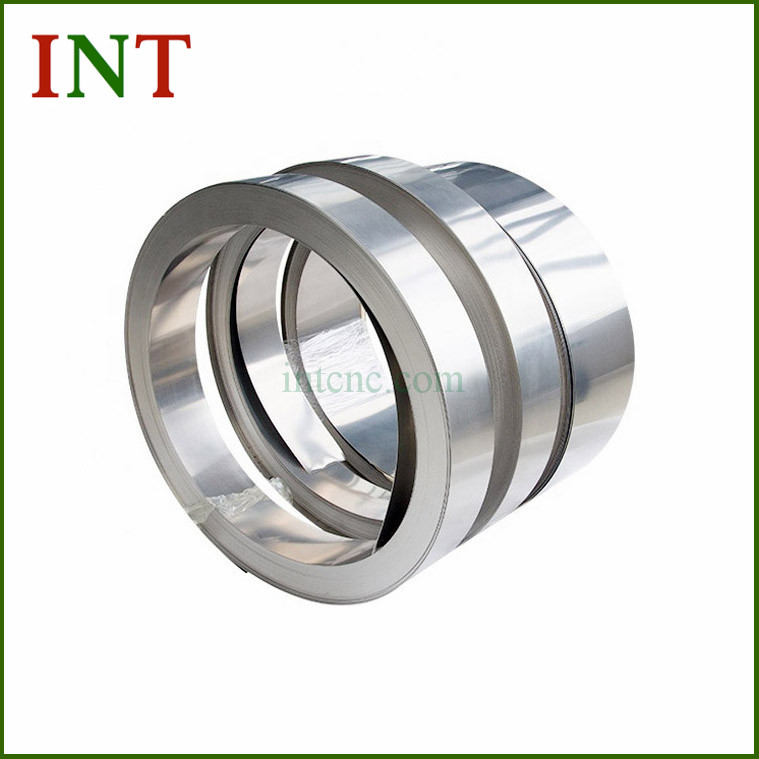
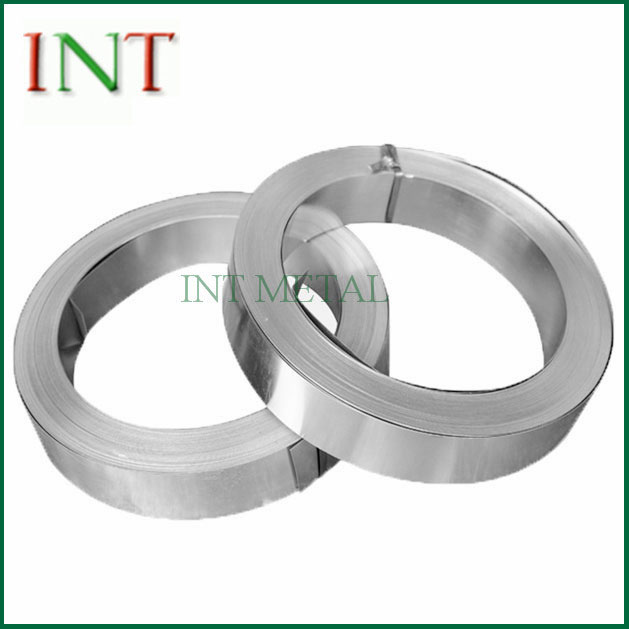
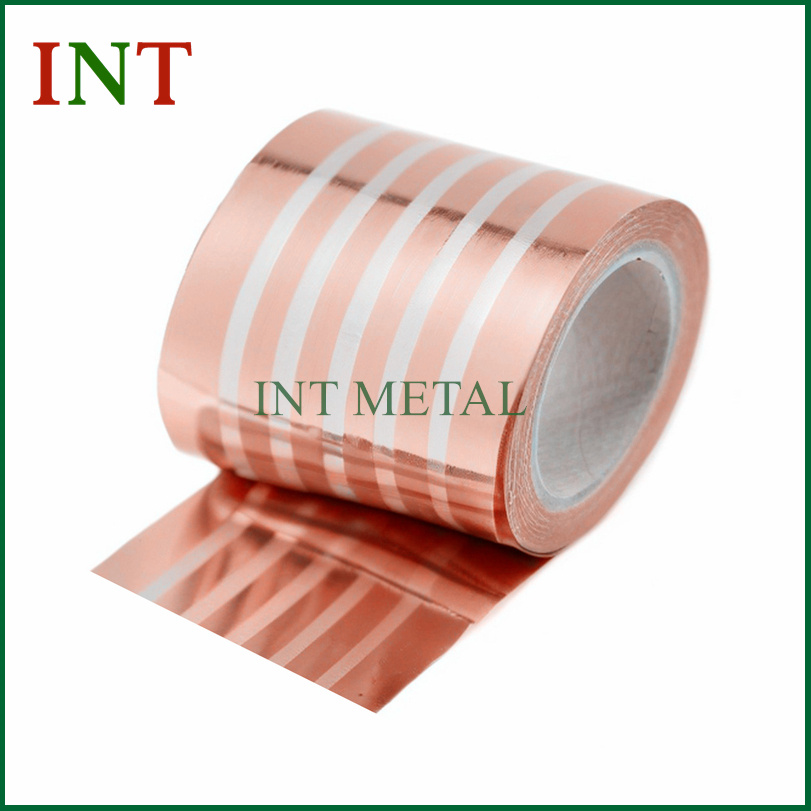
Brass strip is a rolled copper-zinc alloy supplied in narrow or wide strip form, usually in coils or cut lengths, depending on downstream processing needs. I often describe it as one of the most useful materials for manufacturers who need something more workable than many harder alloys, more visually appealing than plain industrial metals, and more economical than higher-cost specialty materials.
What makes brass strip so widely used is not one single feature, but the way several useful characteristics come together. It offers good dimensional stability, dependable machinability, attractive appearance, and a practical level of electrical and thermal conductivity. It also responds well to stamping, bending, drawing, punching, and plating in many industrial workflows.
That combination matters in the real world. Most buyers are not looking for “a metal” in the abstract. They are looking for a material that can run smoothly on their production line, keep scrap rates under control, pass functional checks, and still make sense from a cost perspective. Brass strip works well in that space, which is why it appears in electrical parts, terminals, connectors, hardware, automotive components, spring contacts, transformer accessories, decorative trims, and precision stamped parts.
For many projects, brass strip becomes the middle ground between performance and practicality. It is not chosen because it is trendy. It is chosen because it behaves predictably when the specification is right.
Because by the time a brass strip issue becomes obvious on the factory floor, the damage is usually already expensive.
I have seen the same pain points come up again and again. A strip may look acceptable at first glance, but once it reaches stamping, bending, punching, or plating, hidden inconsistencies begin to show. The material might crack during forming. Burr behavior may become unstable. Surface marks may interfere with appearance requirements. Coil shape may not feed smoothly. Hardness may drift enough to affect spring-back or dimensional repeatability.
These are not small inconveniences. They affect production speed, rejected output, tool wear, operator confidence, and delivery schedules. That is why smart buyers ask detailed questions before the purchase order is finalized.
Here are the issues that usually worry buyers the most:
The earlier these questions are addressed, the less likely the buyer is to lose time and money later.
The best way to choose brass strip is to start with the job the material must do, not with the price list alone.
I usually recommend thinking through the decision in four layers: function, process, dimensional control, and finish.
1. Function
Ask what the finished part is expected to do. Does it need to carry current, hold shape, resist corrosion, look decorative, accept plating, or survive repeated forming? The answer determines whether you should prioritize conductivity, strength, formability, or appearance.
2. Process
Then look at how the part will be made. A material that works for simple blanking may fail in deep drawing or repeated bending. If the strip will go through multi-step stamping, sharp-angle bending, fine punching, or high-speed production, temper selection becomes critical.
3. Dimensional control
Thickness tolerance, width tolerance, flatness, and coil winding quality all affect downstream efficiency. A buyer may think only chemistry matters, but many production problems come from dimensional inconsistency rather than alloy choice.
4. Finish
Finally, consider the required surface. Some applications need a bright, clean surface for decorative appeal. Others need a stable surface for welding, soldering, or electroplating. That changes inspection priorities and packaging expectations.
If I had to simplify the selection process into one practical rule, it would be this: choose brass strip according to the most demanding stage of your production process, not the easiest one.
A structured comparison usually saves more time than long email chains. Here is a practical table I would use when evaluating brass strip options for a new project.
| Property | Why It Matters | Questions I Would Ask |
|---|---|---|
| Alloy grade | Affects strength, ductility, conductivity, and cost | Which grade best matches forming, conductivity, and corrosion needs |
| Temper | Influences bendability, spring-back, and stamping response | Is the temper suitable for the actual forming process |
| Thickness tolerance | Impacts fit, electrical behavior, and process repeatability | What tolerance range can be maintained across the coil |
| Width tolerance | Important for feeding, slitting, assembly, and tool setup | Can the supplier hold width consistently for my line |
| Surface quality | Matters for appearance, plating, bonding, and precision contact | How are scratches, stains, oil residue, and edge defects controlled |
| Coil shape | Affects feeding stability and scrap risk | How does the supplier manage flatness and winding quality |
| Mechanical consistency | Helps reduce cracking and unstable spring-back | Are hardness and related properties checked batch by batch |
| Packaging | Protects the strip during shipping and storage | How are edges, surfaces, and coils protected in transit |
When buyers compare brass strip using these categories, the conversation becomes clearer and more productive. It is no longer just “Can you quote this?” It becomes “Can you supply material that will actually run well in my process?”
Brass strip is not limited to one narrow industry. Its value comes from adaptability. When specified correctly, it serves both functional and appearance-driven applications.
| Application Area | Why Brass Strip Is Chosen | Main Buyer Concern |
|---|---|---|
| Electrical terminals and connectors | Good conductivity with practical forming behavior | Stable thickness, clean surface, dependable stamping |
| Precision stamped parts | Supports accurate punching and forming | Consistent temper and low cracking risk |
| Decorative hardware | Warm metallic appearance and finishing flexibility | Surface quality and color consistency |
| Automotive and industrial fittings | Balanced strength, workability, and cost | Batch repeatability and corrosion behavior |
| Transformer and electrical accessories | Useful conductivity and fabrication performance | Dimensional precision and reliable supply |
| Plated components | Provides a workable base material for secondary finishing | Surface cleanliness and adhesion readiness |
This is also where the supplier’s technical understanding starts to matter. A supplier who only knows how to quote brass strip by width and thickness may not be enough for a demanding project. A supplier who understands the downstream process can often help prevent problems before they happen.
That is one reason buyers working on customized industrial metal solutions often prefer a manufacturing partner that can discuss alloy families, strip processing, slitting, surface expectations, and sampling in practical terms. DONGGUAN INT METAL TECH CO.,LTD. is one of the companies operating in that space, serving customers who need brass strip and related precision metal materials for industrial use.
Most failures are not dramatic. They are subtle. That is exactly why they are so costly.
A brass strip order can fail even when the alloy name appears correct on paper. The root cause is often a mismatch between specification and real application conditions.
The most common mistakes include:
I think one of the biggest sourcing mistakes is assuming that all brass strip is interchangeable if the chemistry looks similar. In reality, processing route, rolling quality, edge condition, hardness control, and surface handling all influence how the strip performs later.
That is why professional buyers often ask for samples, inspection data, and detailed discussion before committing to volume production. They are not being difficult. They are protecting the project.
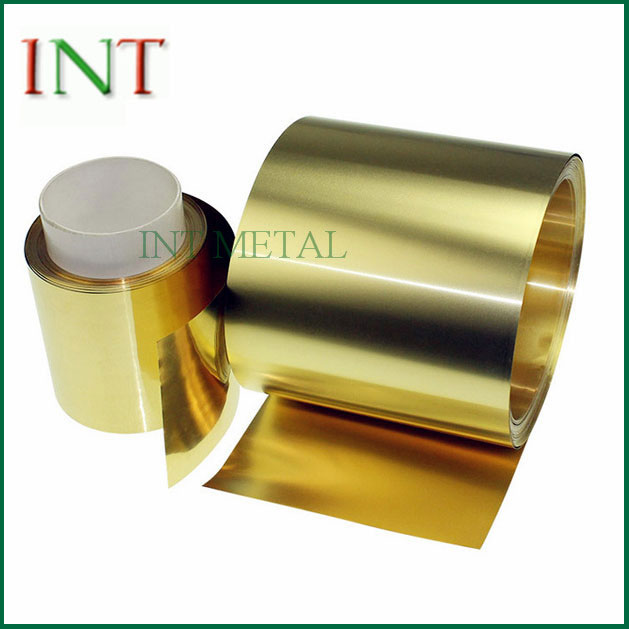
The best brass strip supplier is not simply the one with the fastest quote or the lowest initial price. It is the one that helps you reduce uncertainty.
When I evaluate a supplier, I look for several signs:
That matters even more when the buyer is trying to avoid repeated trials or unstable supply. A capable manufacturing partner should help narrow the gap between design intent and production reality.
For companies sourcing brass strip for connectors, terminals, stamped parts, decorative hardware, or other precision industrial applications, it is worth working with a supplier that understands both metal material behavior and downstream manufacturing needs. A good supplier does not just sell coils. A good supplier helps buyers make safer decisions.
What is the main advantage of brass strip compared with pure copper
Brass strip often offers a more practical balance of strength, formability, appearance, and cost. Pure copper may provide higher conductivity, but brass strip is frequently easier to use where shape retention, machining response, and overall processing economy matter.
Which industries commonly use brass strip
Brass strip is widely used in electrical components, terminals, connectors, hardware, decorative fittings, industrial parts, automotive accessories, and many precision stamped products.
Why is temper so important when ordering brass strip
Temper affects how the material bends, stamps, springs back, and resists cracking. Even if the alloy is correct, the wrong temper can make the strip unsuitable for the forming process.
Should I ask for a sample before placing a full order
Yes. If the application is new, the geometry is demanding, or the part has tight performance requirements, a sample can reduce risk significantly. It helps verify forming behavior, surface condition, and process compatibility before mass production begins.
What information should I prepare before requesting a quotation
It is best to provide alloy preference if known, thickness, width, temper, coil or sheet requirement, surface expectation, application, quantity, and any special packaging or inspection requests. The more complete the information, the more accurate and useful the quotation will be.
If you are currently comparing options for brass strip, the smartest next step is to define your application clearly and discuss it with a supplier that can translate those needs into a practical material recommendation. Whether you are buying for electrical parts, stamped components, decorative hardware, or custom industrial use, the right brass strip can improve processing stability, reduce waste, and support better final-product performance.
DONGGUAN INT METAL TECH CO.,LTD. can support buyers looking for dependable brass strip solutions with a more application-focused approach. If you want to shorten your evaluation process, improve material consistency, or request a quotation for a customized project, please contact us and share your required specifications. A clear conversation today can save a great deal of cost and trouble later.