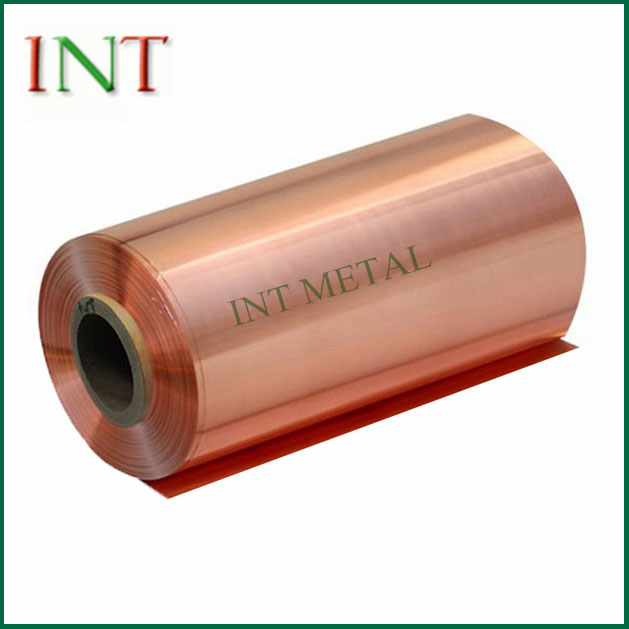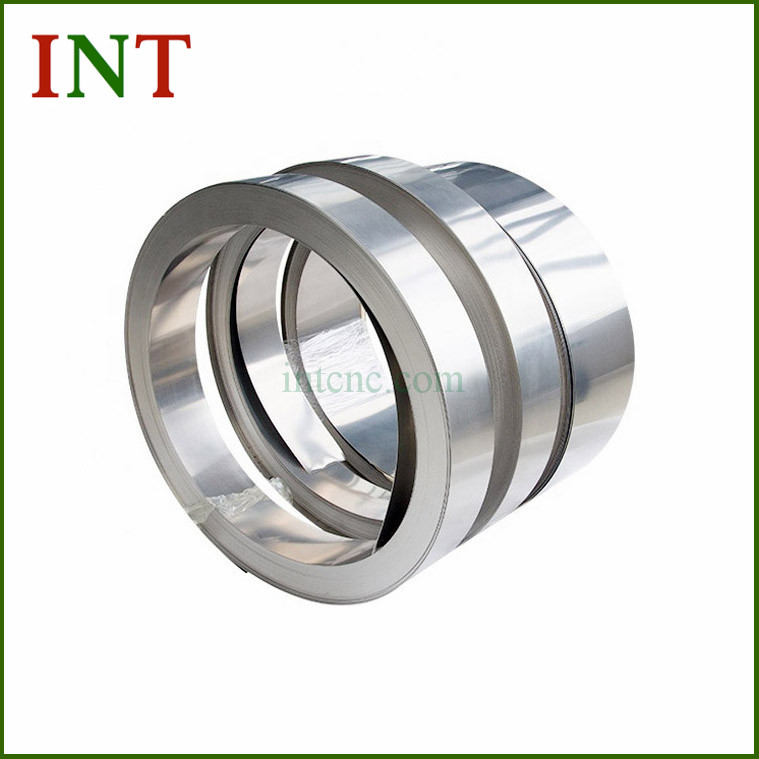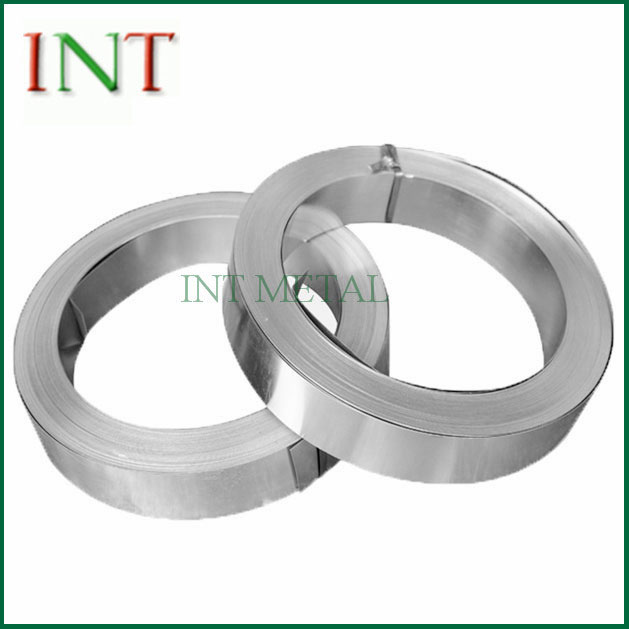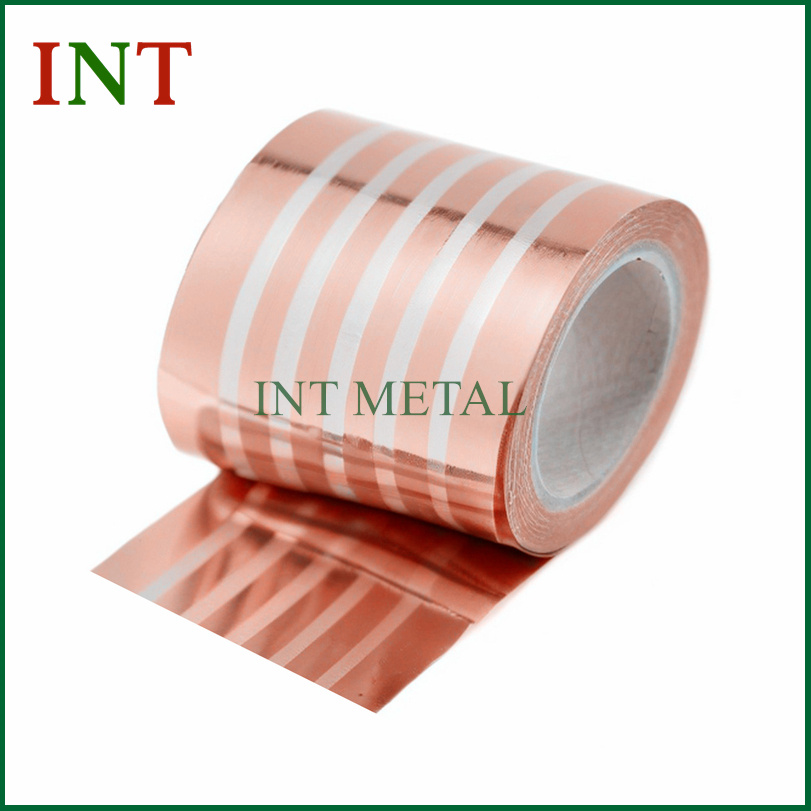

In many metal component projects, the real challenge is not simply finding strip material. It is finding a profile that fits the function, reduces waste, supports stable conductivity, and arrives with repeatable dimensional accuracy. That is exactly why more buyers are paying attention to Special-shaped Strip when they need better performance from battery connectors, busbar-related parts, terminals, and other precision metal applications.
This article explains why Special-shaped Strip matters when standard flat strip is no longer enough. I will walk through the common pain points buyers face, including poor fit, excessive secondary machining, unstable electrical performance, material waste, and inconsistent supply quality. I will also explain how a well-designed Special-shaped Strip can help simplify production, improve assembly reliability, and support demanding applications in new energy, battery connection systems, and precision metal parts. Along the way, I will show what to evaluate before placing an order, how to compare suppliers, and what practical questions to ask to avoid expensive mistakes.
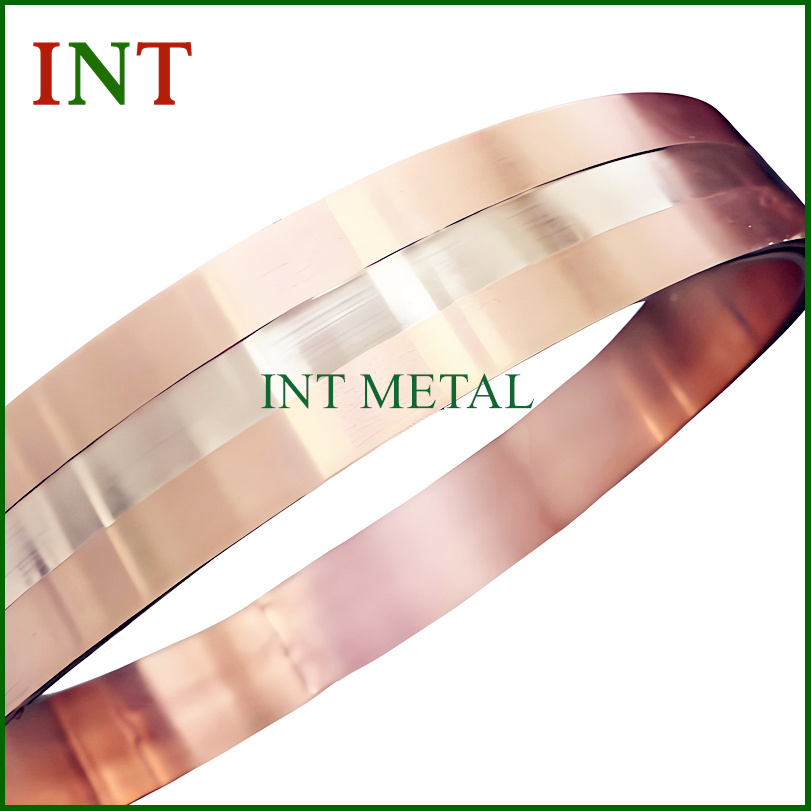
When I talk about Special-shaped Strip, I am referring to metal strip material that has been processed into a non-standard profile rather than remaining as a simple flat band. That difference may sound small at first, but in real production, it changes a lot. A shaped edge, groove, slot, stepped section, or application-specific profile can directly affect conductivity, assembly fit, connection stability, and downstream processing time.
Many manufacturers begin with standard strip because it is familiar and easy to source. But once the product design becomes more demanding, standard strip often creates extra work. Teams add more stamping, more trimming, more bending, or more manual correction just to force the part into the final structure. That is where a more specialized profile starts to make economic sense.
I see the same pattern in many purchasing conversations. A buyer starts by asking for metal strip, but what they really need is a material format that solves a manufacturing problem. The gap between those two things creates unnecessary friction.
Here are some of the most common pain points:
These problems become even more visible in high-volume production. A small mismatch repeated across thousands or millions of pieces can quietly become a major cost center. That is why more purchasing teams are no longer asking only about price per kilogram or price per roll. They are asking whether the material can reduce process burden across the entire project.
The biggest advantage of Special-shaped Strip is that it can be designed around function instead of forcing function to adapt to generic stock material. That shift is powerful because it improves several parts of the workflow at once.
| Buyer Problem | How Special-shaped Strip Helps | Practical Result |
|---|---|---|
| Poor assembly fit | Custom profile follows the actual component structure more closely | Faster assembly and fewer manual corrections |
| Too much secondary machining | Pre-shaped strip reduces later cutting, trimming, or reforming steps | Lower labor demand and shorter production cycle |
| Material waste | Better profile utilization reduces unnecessary scrap | Improved cost control |
| Unstable electrical connection | Profile design can support stronger contact and more consistent conductive paths | More reliable performance in demanding applications |
| Quality inconsistency | Controlled processing improves dimensional repeatability | Fewer complaints and easier incoming inspection |
In my view, the real value is not just in the strip itself. It is in what the strip prevents. It prevents rework. It prevents wasteful over-processing. It prevents tolerance drift from causing headaches later in the line. That is why a slightly more engineered strip solution can create a better total cost outcome than a cheaper standard alternative.
Special-shaped Strip is especially useful in applications where geometry, conductivity, and assembly efficiency all matter at the same time. That is one reason it has attracted attention in new energy and battery-related manufacturing, where material structure can influence both space usage and connection stability.
Based on the product direction shown by DONGGUAN INT METAL TECH CO.,LTD., this category is closely associated with battery connection scenarios such as busbar and connector-related uses in power battery packs and energy storage systems. That makes sense because these applications often require tight dimensional control and dependable conductive behavior under demanding operating conditions.
Even outside these sectors, the principle remains the same. Whenever a product designer needs strip material to do more than simply exist as feedstock, Special-shaped Strip becomes worth discussing.
Buyers sometimes focus too narrowly on quotation speed or unit price. I understand the pressure, but with a custom-profile material, that approach can backfire. A low price means very little if the supplier cannot hold the shape consistently or cannot understand the downstream function of the strip.
I would normally check the following points before moving forward:
| What to Ask | Why It Matters |
|---|---|
| Can you manufacture according to my drawing or application target? | This shows whether the supplier can support real customization rather than offering only catalog products. |
| What tolerance range can you maintain on the profile? | This affects assembly fit, inspection standards, and final product reliability. |
| Can you provide samples before mass production? | Sample validation helps reduce risk before tooling and volume commitment. |
| What materials and finishes are available? | Material selection influences conductivity, strength, corrosion behavior, and manufacturability. |
| How do you handle batch consistency? | Stable quality is essential for long-term production planning. |
One of the easiest mistakes in sourcing is comparing quotes that are not actually comparable. Two suppliers may both say they can make Special-shaped Strip, but their capabilities may differ in ways that strongly affect the final result.
I prefer to compare suppliers across four dimensions:
The cheapest quote can still become the most expensive option if it creates fitting issues, quality disputes, or extra production steps. When I compare offers carefully, I am not just buying metal. I am buying predictability.
A few small mistakes appear again and again in custom strip projects. Avoiding them can save a surprising amount of time and money.
In my experience, better purchasing decisions happen when the buyer defines the real pain point first. Do you need higher conductivity, tighter fit, reduced waste, fewer forming steps, or smoother mass production? Once that is clear, the strip profile becomes a solution instead of a guess.
If you are still trying to force a standard strip into a demanding application, it may be time to rethink the material strategy. A well-developed Special-shaped Strip can help you reduce unnecessary processing, improve fit, support more reliable performance, and make your entire production flow easier to control.
DONGGUAN INT METAL TECH CO.,LTD. can be a practical starting point if you are evaluating custom strip solutions for battery-related connections, conductive parts, or other precision metal applications. When your project needs more than a generic material option, a clearer conversation with the right supplier can save time, cost, and repeated troubleshooting.
Ready to discuss drawings, samples, material options, or a custom production requirement? Contact us today and let’s turn your idea into a more workable, more efficient strip solution.
Contact Us