
In today's rapidly evolving electrical and electronic industries, INT has become a trusted manufacturer and supplier of high-performance Silver Electrical Contacts designed to meet the increasing demands for conductivity, durability, and reliability. From power distribution equipment and circuit breakers to automotive electronics and household appliances, silver electrical contacts play a critical role in ensuring efficient current transmission, minimizing energy loss, and extending service life. As industries continue to pursue higher efficiency and safety standards, understanding the advantages and applications of silver electrical contacts becomes increasingly important.
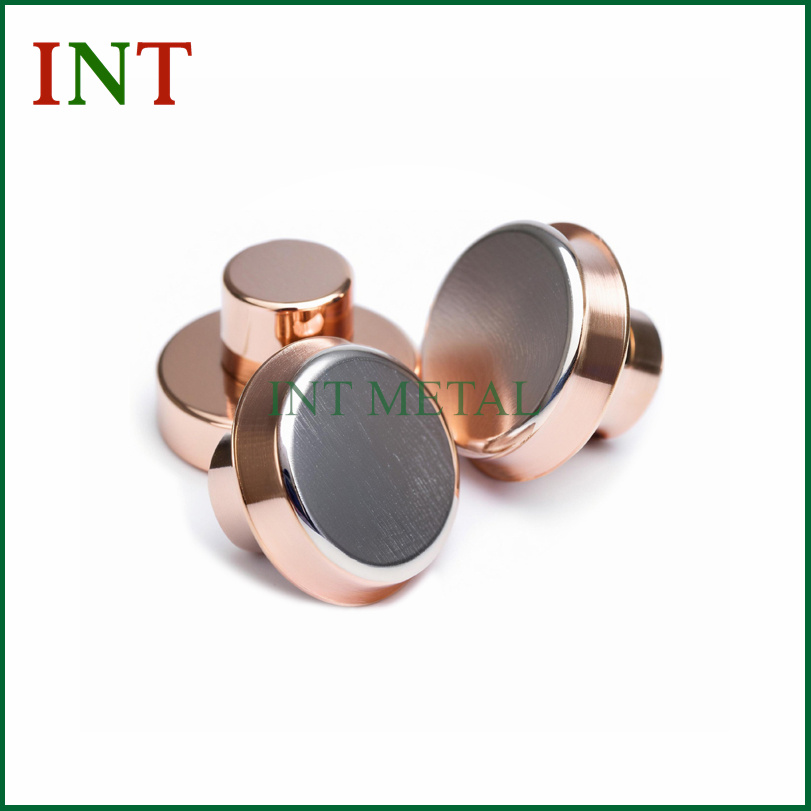
Silver Electrical Contacts are conductive components used in electrical switching devices to establish or interrupt electrical circuits. They are typically manufactured using pure silver or silver-based alloys and composites to optimize conductivity, mechanical strength, and resistance to electrical arcing.
Whenever a switch, relay, circuit breaker, contactor, or thermostat opens and closes, electrical contacts are responsible for carrying current. Because silver possesses the highest electrical conductivity among all metals, it is often selected as the primary contact material.
Silver contacts may be produced in various forms, including:
Learn more about professional Silver Electrical Contacts solutions from INT.
Electrical systems rely on stable and efficient current transfer. Poor contact materials can result in excessive heat generation, increased resistance, frequent maintenance, and premature equipment failure.
Silver electrical contacts provide several critical benefits:
These characteristics make silver contacts indispensable in both low-voltage and high-voltage electrical systems.
Different applications require different silver contact materials. Manufacturers often modify silver by combining it with metal oxides or other elements to enhance specific performance characteristics.
| Contact Material | Main Characteristics | Typical Applications |
|---|---|---|
| Pure Silver (Ag) | Highest conductivity | Low-current devices |
| Silver Cadmium Oxide (AgCdO) | Excellent arc resistance | Industrial contactors |
| Silver Tin Oxide (AgSnO₂) | Environmentally friendly, high durability | Circuit breakers |
| Silver Nickel (AgNi) | Good welding resistance | Relays and switches |
| Silver Zinc Oxide (AgZnO) | High interruption capacity | Power switching equipment |
| Silver Tungsten (AgW) | Extreme arc resistance | Heavy-duty switching devices |
Silver offers the highest electrical conductivity of all metals, ensuring minimal energy loss and maximum efficiency during operation.
The ability to dissipate heat quickly helps prevent overheating and extends equipment life.
Silver alloy contacts can withstand repeated electrical arcing, reducing surface damage during switching operations.
High wear resistance allows silver contacts to maintain performance over millions of switching cycles.
Silver demonstrates good resistance to oxidation and environmental degradation under normal operating conditions.
Stable contact resistance ensures consistent electrical performance and minimizes downtime.
The production of high-quality silver electrical contacts requires advanced metallurgical and precision manufacturing technologies.
Powder metallurgy enables manufacturers to achieve precise compositions and uniform microstructures.
Metal powders are compacted and sintered at controlled temperatures to form dense contact materials.
Contacts are processed into required dimensions and geometries.
Additional finishing processes improve conductivity, appearance, and corrosion resistance.
Silver electrical contacts are widely utilized in numerous sectors.
| Property | Silver Contacts | Copper Contacts | Brass Contacts |
|---|---|---|---|
| Electrical Conductivity | Excellent | Very Good | Moderate |
| Arc Resistance | Excellent | Moderate | Low |
| Corrosion Resistance | Good | Moderate | Moderate |
| Service Life | Very Long | Medium | Short |
| Reliability | Excellent | Good | Fair |
| Overall Performance | Best Choice | Economical | Limited Use |
Choosing the most suitable silver contact material depends on several technical factors.
Working with an experienced manufacturer helps ensure the optimal material selection for your specific application.
The electrical industry continues to evolve toward higher efficiency, sustainability, and reliability. As a result, silver contact technology is also advancing rapidly.
The industry is increasingly adopting cadmium-free contact materials such as AgSnO₂ to comply with environmental regulations.
Automation and digital quality control systems improve consistency and production efficiency.
The rapid expansion of EV markets drives demand for high-performance contact materials capable of handling higher currents.
Solar and wind energy installations require durable switching components with superior reliability.
Manufacturers increasingly provide tailored silver contact designs for specialized industrial applications.
Silver has the highest electrical conductivity of any metal, making it ideal for efficient current transfer and low contact resistance.
In many switching applications, silver alloys provide better wear resistance, arc resistance, and mechanical strength than pure silver.
Power distribution, automotive, renewable energy, industrial automation, telecommunications, and consumer electronics industries extensively use silver contacts.
Service life depends on operating conditions, current load, and material type, but high-quality silver contacts can withstand millions of switching cycles.
Yes. Manufacturers can customize dimensions, material compositions, contact structures, and assembly configurations according to application requirements.
Silver Electrical Contacts remain the industry benchmark for conductivity, durability, reliability, and long-term performance. Their ability to withstand demanding electrical loads while maintaining low resistance makes them indispensable in modern power systems, industrial automation, automotive electronics, and renewable energy applications. As technology continues to advance, silver-based contact materials will remain a cornerstone of safe and efficient electrical switching solutions.
Looking for premium-quality Silver Electrical Contacts tailored to your application requirements? INT offers advanced manufacturing capabilities, strict quality control, customized solutions, and professional technical support to help your projects achieve superior electrical performance and reliability. Contact us today to discuss your specifications and discover how our silver contact solutions can add long-term value to your business.