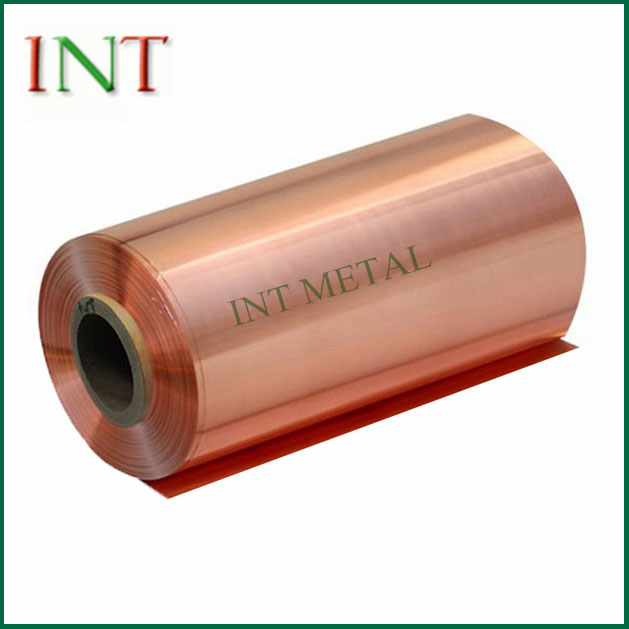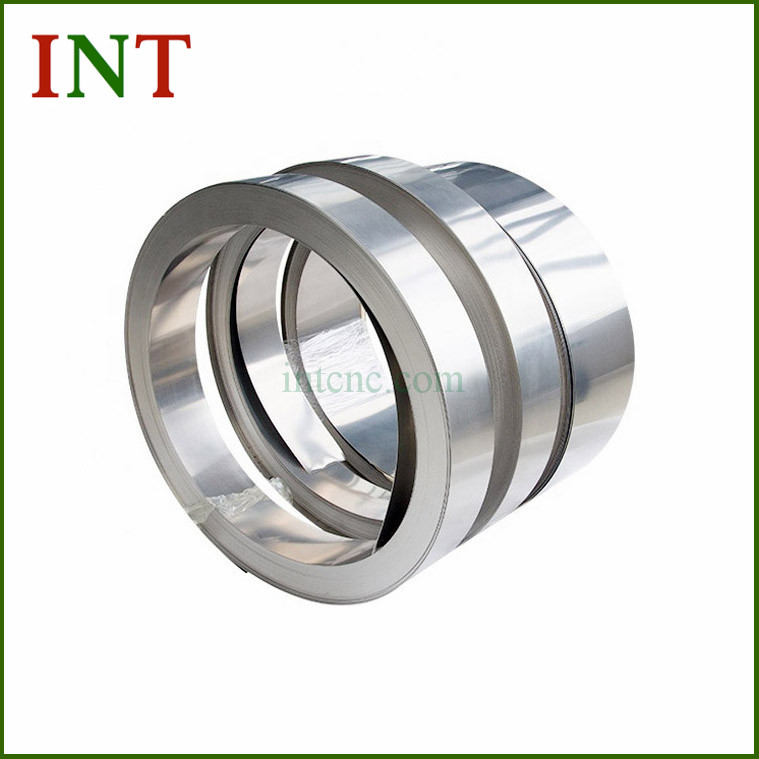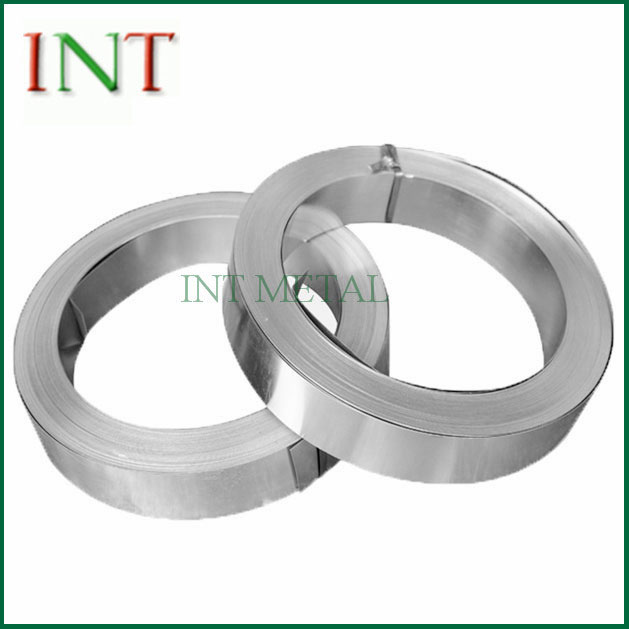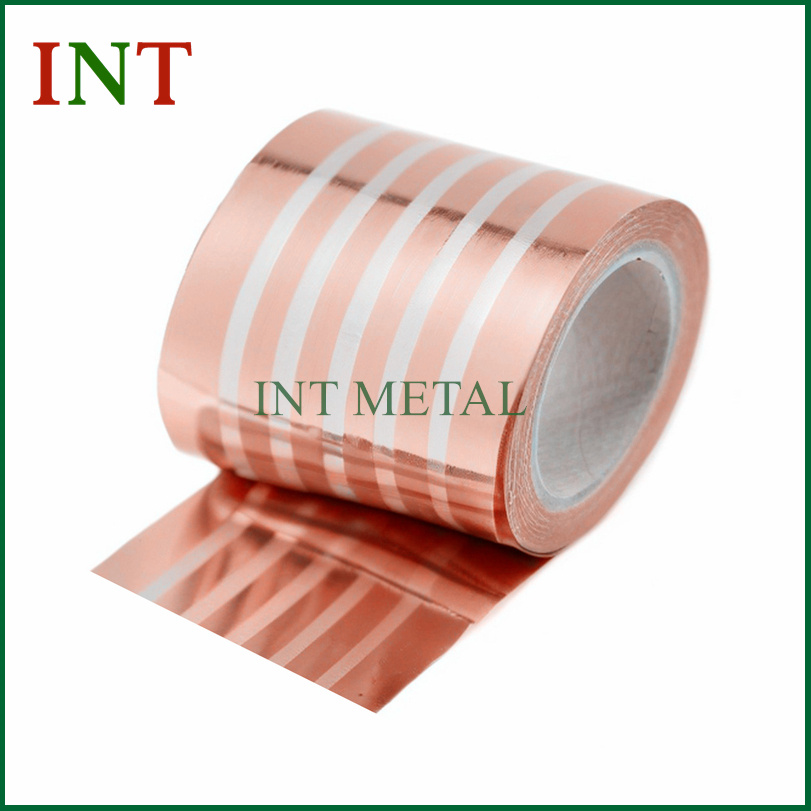

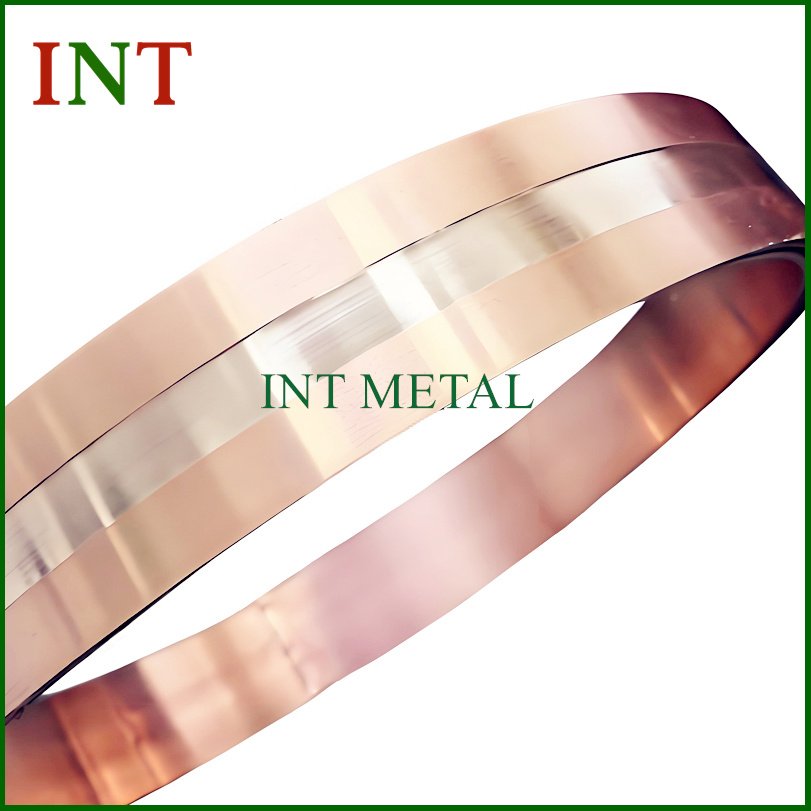
As a professional manufacturer of precision copper products, INT supplies high-quality Slotted copper Strip solutions for global industries seeking reliable electrical conductivity, excellent mechanical strength, and precision machining. Designed for demanding applications such as transformers, switchgear, power distribution systems, renewable energy equipment, and industrial electronics, slotted copper strips combine superior conductivity with customizable slot structures to improve assembly efficiency, heat dissipation, and electrical performance.
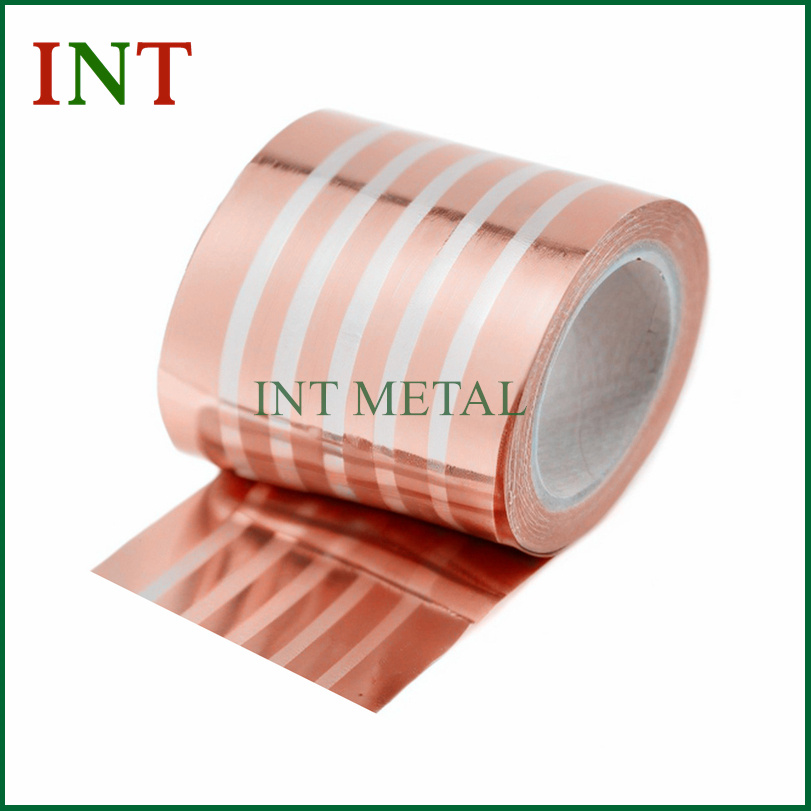
Silver Inlay Copper Strip is an advanced composite conductor material widely used in high-performance electrical and electronic systems. This article explores its structure, manufacturing process, advantages, applications, and selection criteria. Produced with precision by INT, the Silver Inlay Copper Strip offers superior conductivity, thermal stability, and long-term reliability for demanding industrial environments.
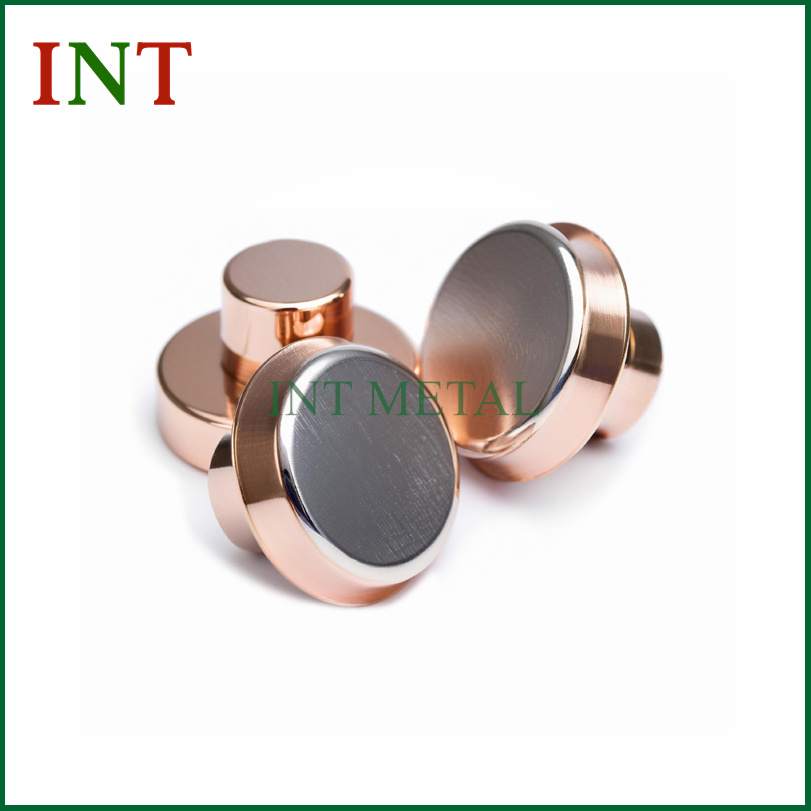
In today's rapidly evolving electrical and electronic industries, INT has become a trusted manufacturer and supplier of high-performance Silver Electrical Contacts designed to meet the increasing demands for conductivity, durability, and reliability. From power distribution equipment and circuit breakers to automotive electronics and household appliances, silver electrical contacts play a critical role in ensuring efficient current transmission, minimizing energy loss, and extending service life.
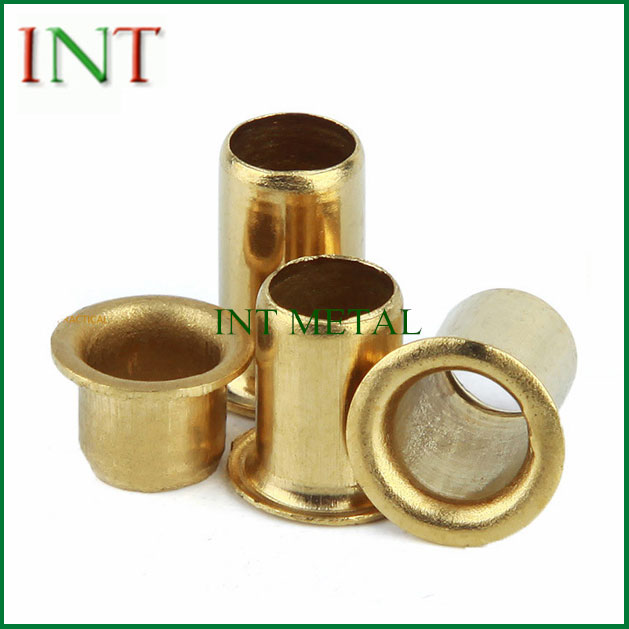
In modern industrial fastening systems, precision, durability, and cost-efficiency are essential. INT has become a trusted supplier in the metal components industry, and one of its most in-demand products is the Brass Tubular Rivet. This component plays a critical role in assembling leather goods, electronics, automotive interiors, and light machinery due to its excellent corrosion resistance and structural reliability.
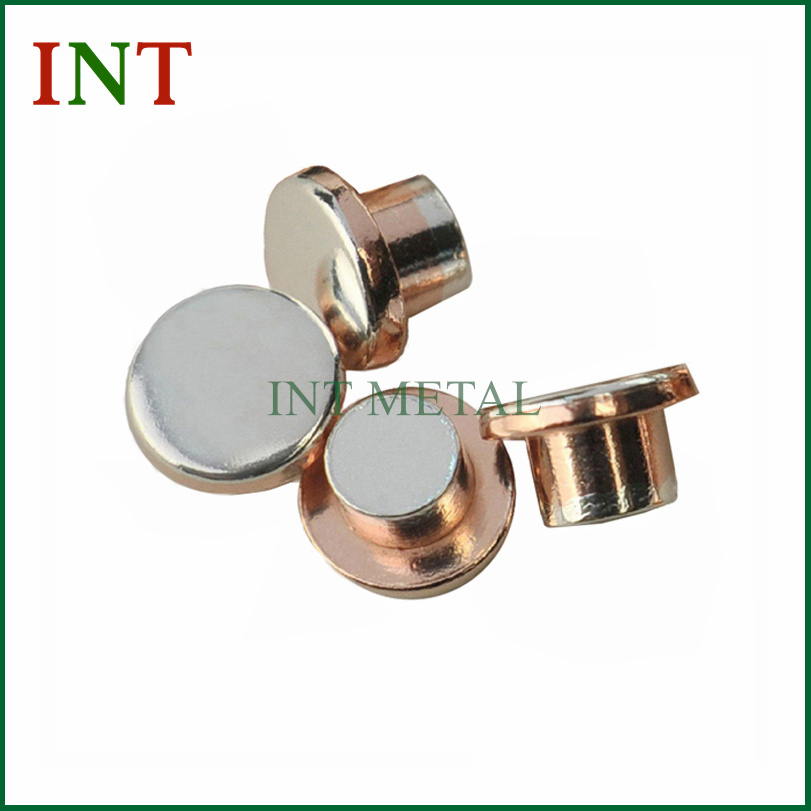
Silver Cadmium Electrical Contact is one of the most widely used materials in medium to high-load electrical switching systems, known for its excellent arc resistance, stable conductivity, and long operational life. This article explores its composition, manufacturing process, applications, advantages, and industry performance.
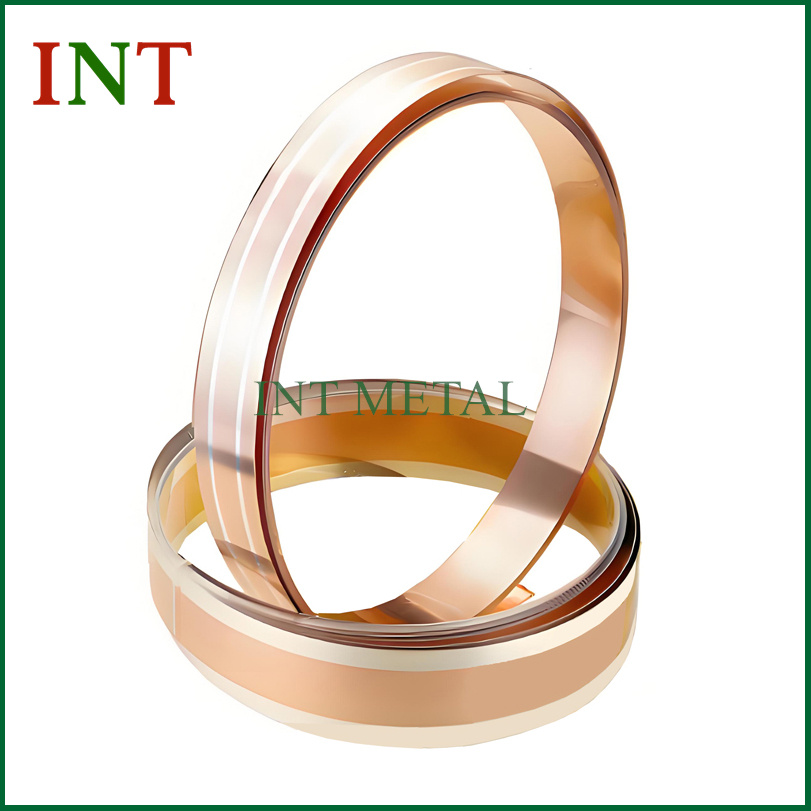
Silver Clad materials are widely used when manufacturers need dependable conductivity, controlled precious metal usage, strong bonding performance, and stable contact behavior in electrical components. Instead of using solid silver throughout the entire part, Silver Clad combines a silver or silver alloy layer with a base metal such as copper, brass, or bronze.