
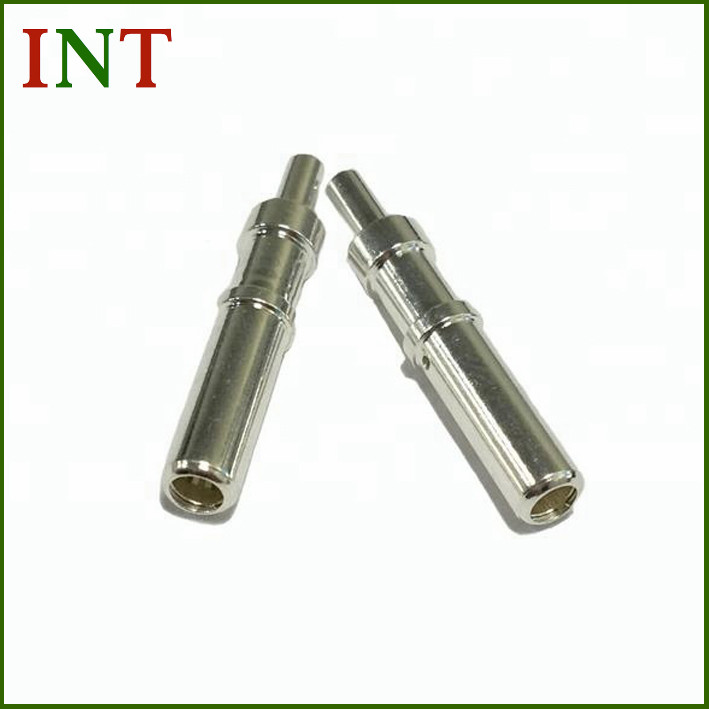
Reliable Metal Parts are not judged by appearance alone. For buyers, engineers, and purchasing teams, the real value comes from dimensional stability, material suitability, surface treatment, production consistency, and supplier communication.
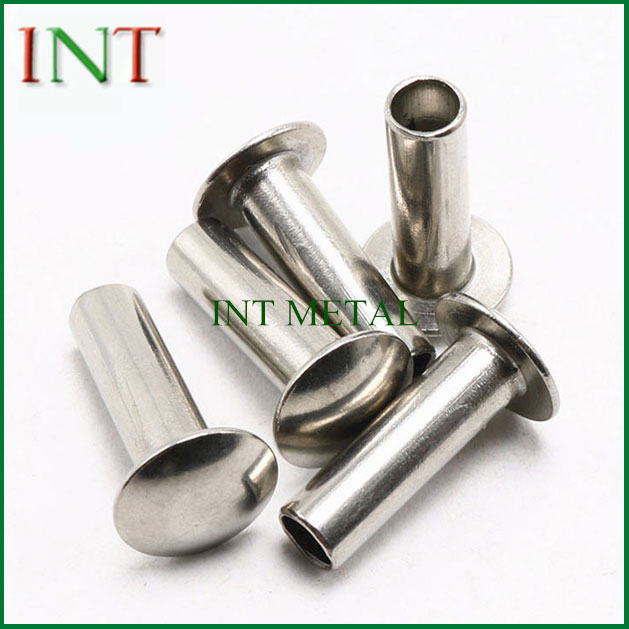
Choosing the right Steel Rivet is not only about matching a fastener to a hole. For manufacturers, purchasing teams, and engineering buyers, the real concern is whether the rivet can hold under load, fit the production process, reduce rework, and keep long-term assembly costs under control.
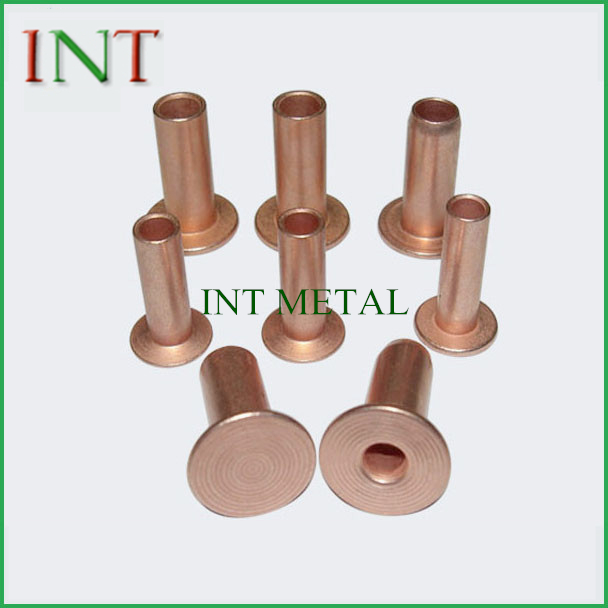
Choosing the right Copper Rivet looks simple at first, but many purchasing teams quickly discover that small differences in head style, shank structure, material condition, dimensional tolerance, and application environment can affect assembly quality, conductivity, fastening strength, and long-term reliability.
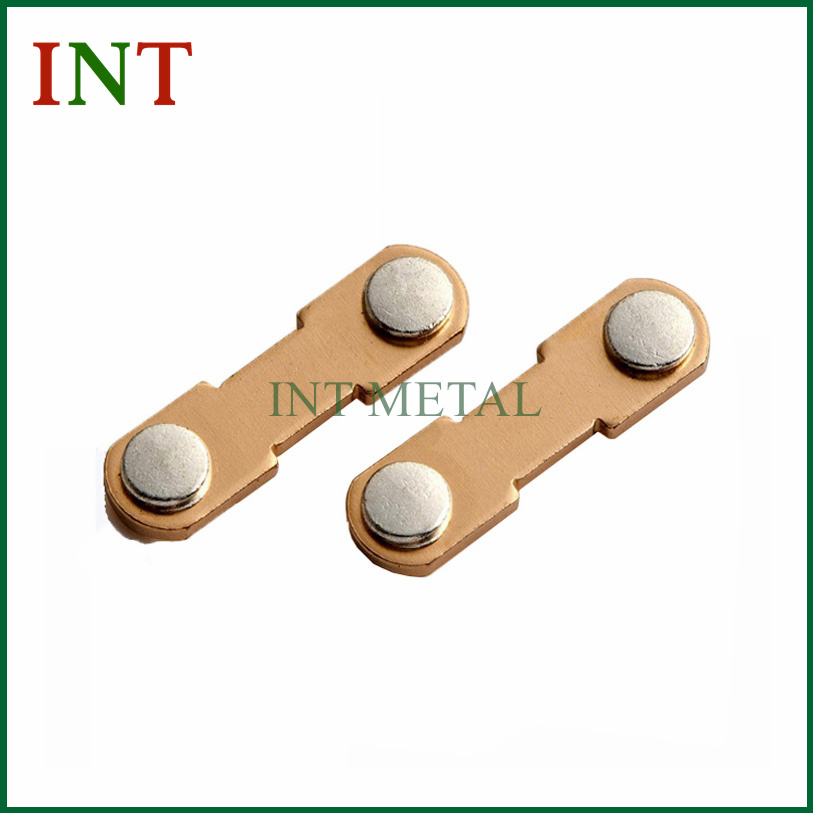
Choosing the right Contact Rivets is rarely a minor detail. For many electrical products, this small component directly influences conductivity, heat resistance, service life, switching consistency, and the rate of field failure.
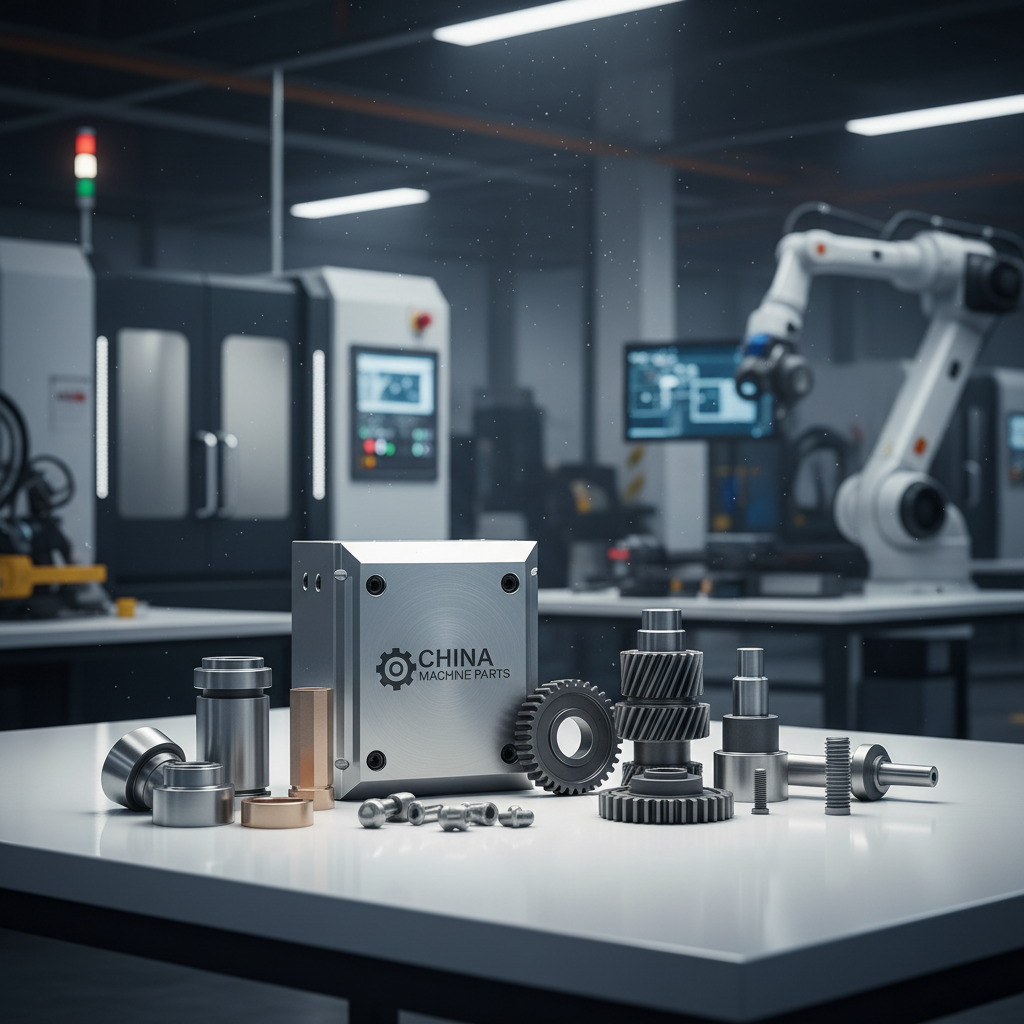
Learn how US procurement managers reduce lead times and navigate tariffs when sourcing China machine parts. Ensure ASTM and ANSI compliance. Read the full guide.
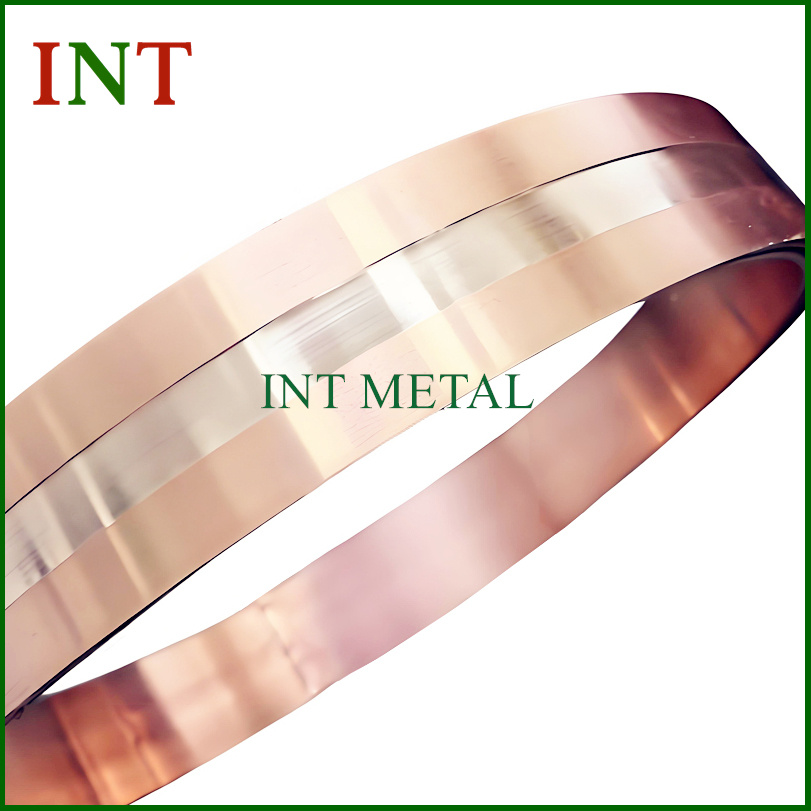
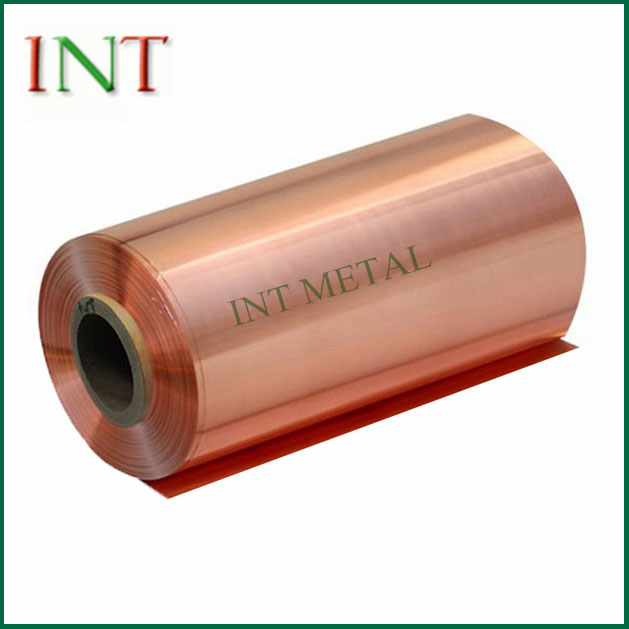
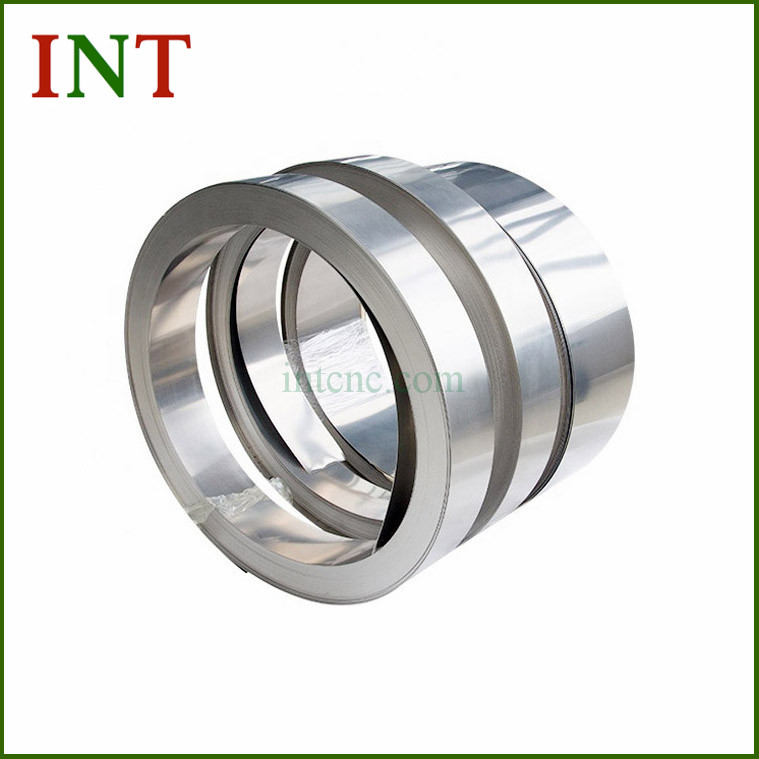
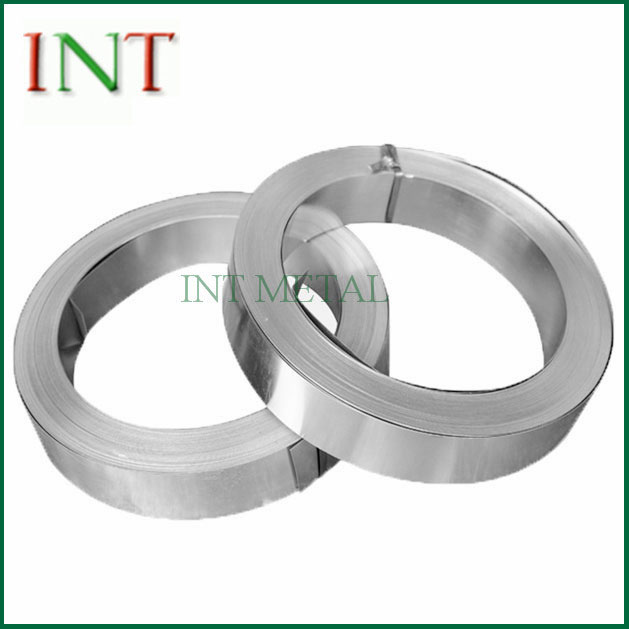
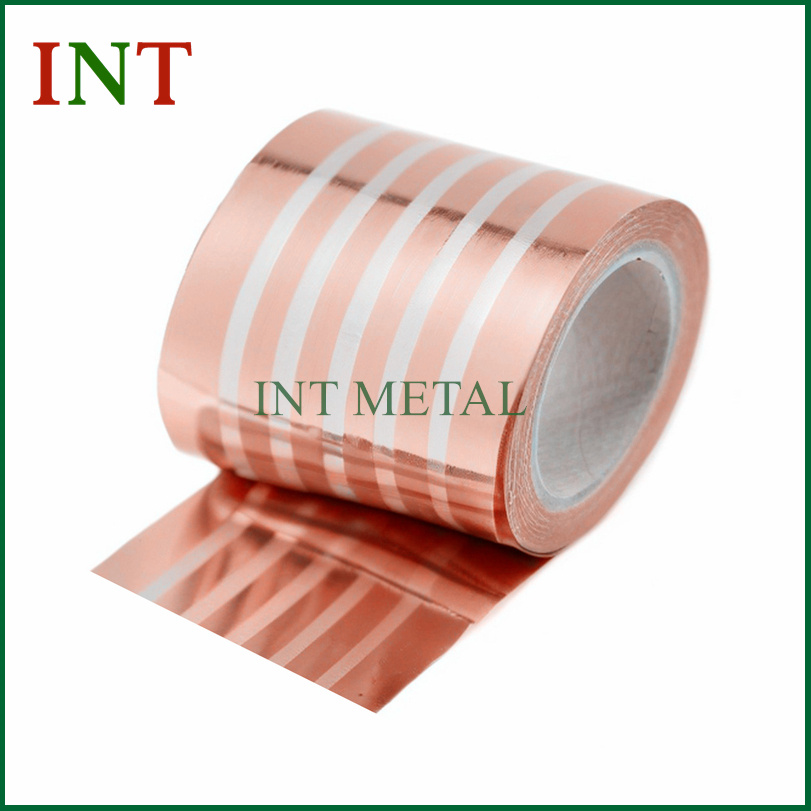
In many metal component projects, the real challenge is not simply finding strip material. It is finding a profile that fits the function, reduces waste, supports stable conductivity, and arrives with repeatable dimensional accuracy.